Blog

Fixing issues on an SGI keyboard

  • by

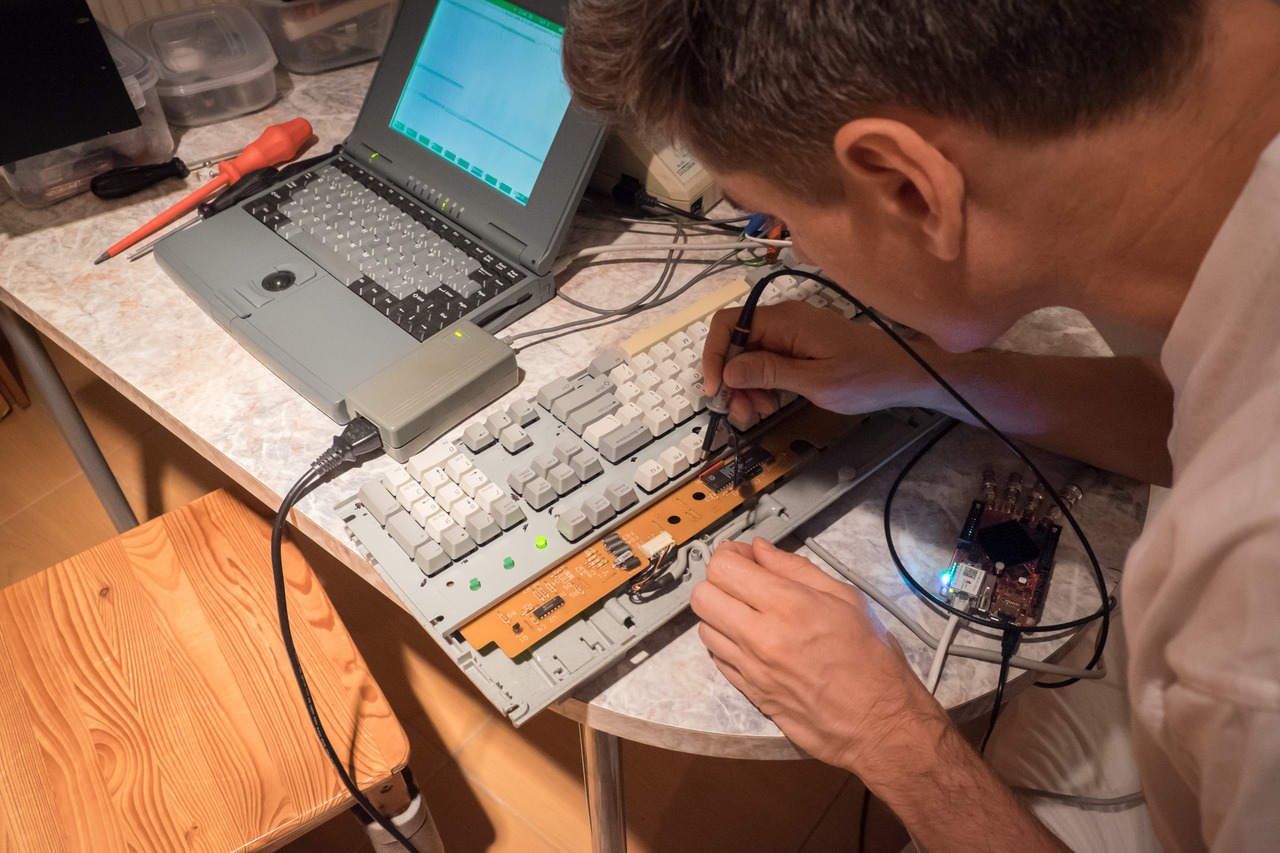
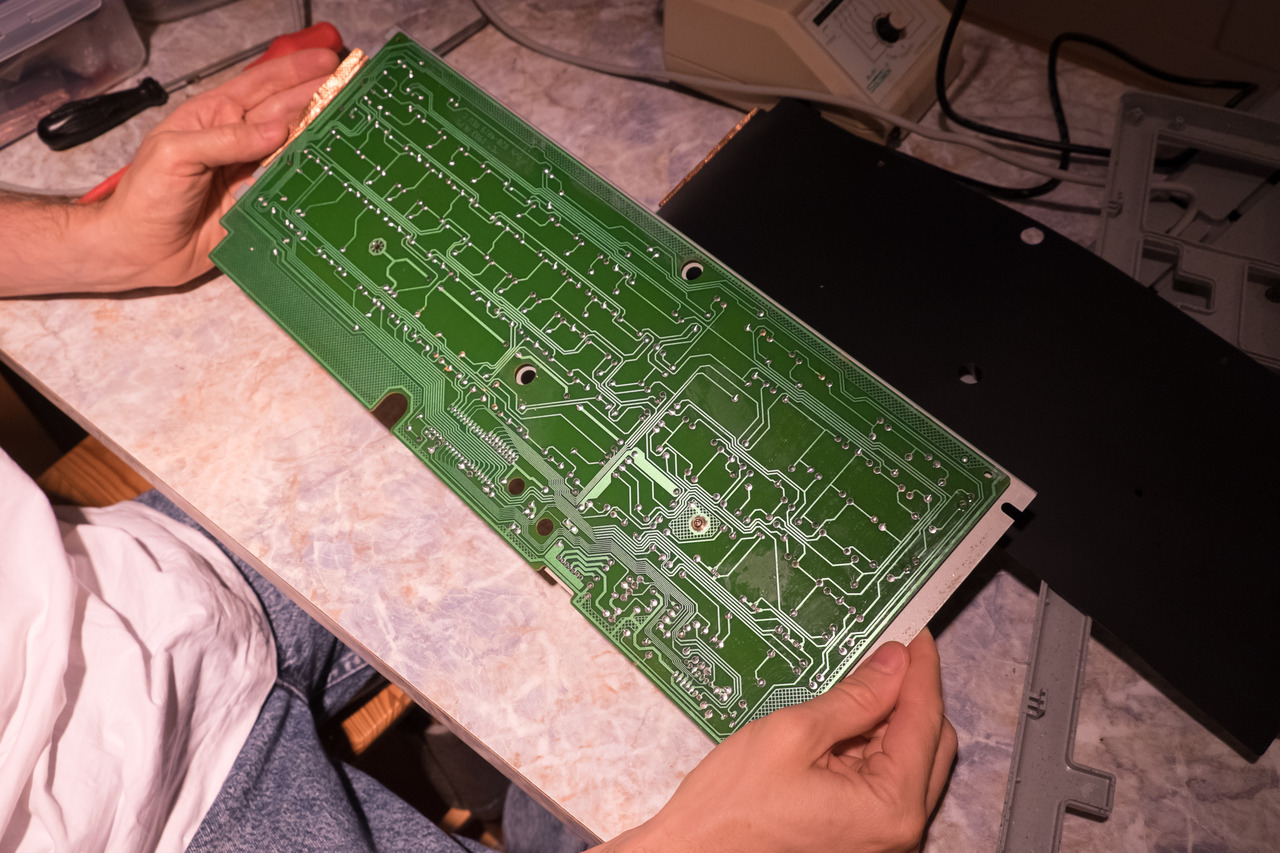
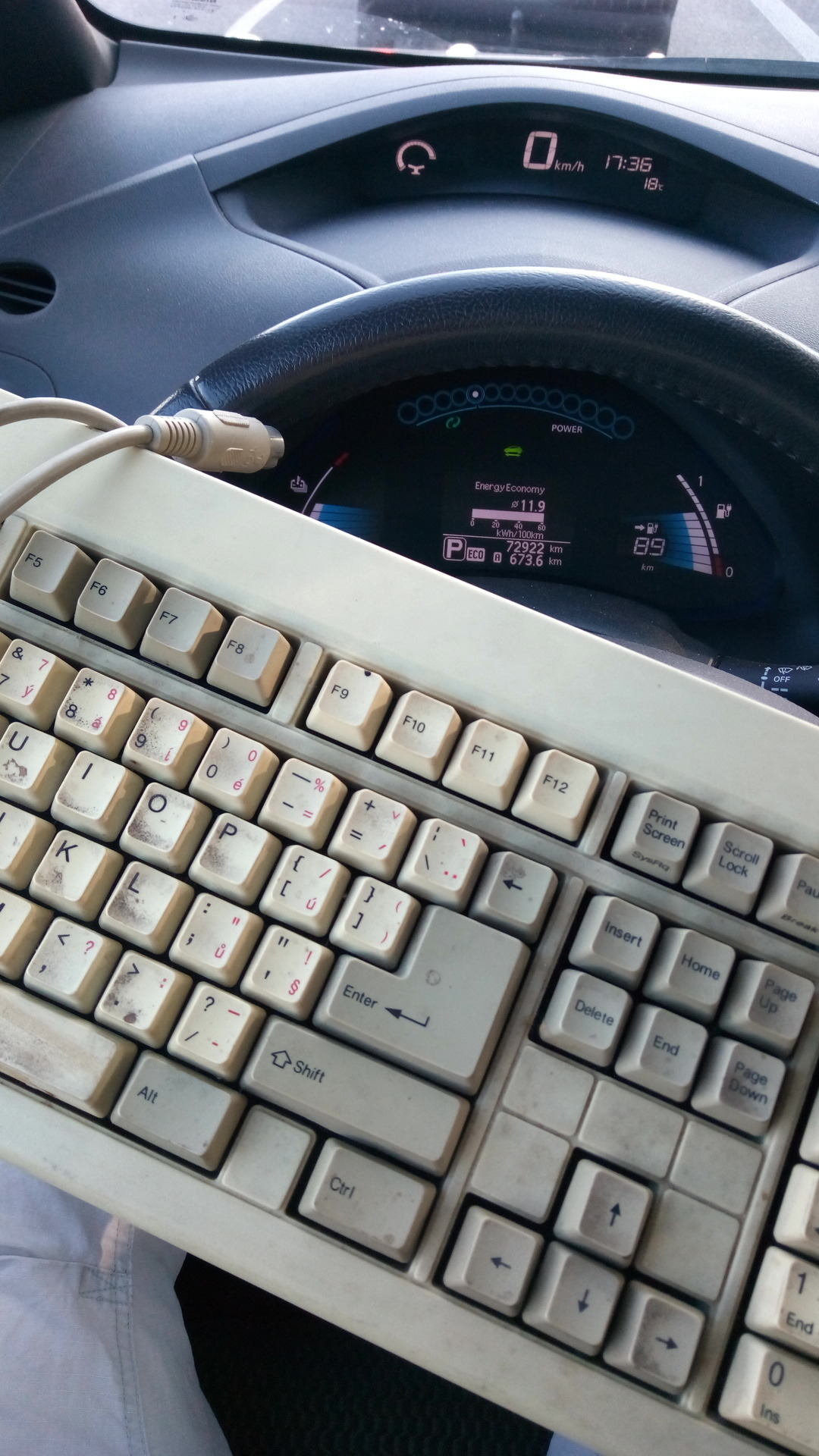
There will be an annual vintage computer show called Bytefest soon in Prague, so my friend and I must prepare all the hardware we want to take with us. Last year, I was told by some visitors that it is inappropriate to use an IBM keyboard with SGI computers. Thus, we started our repairing marathon with this defective SGI keyboard (although I don’t think that using IBM Model M with any computer is inappropriate).

I’m used to the fact that servicing SGI computers is always pain in the ass. It seems that SGI peripherals are exactly the same story. The keyboard is designed the way that it is not possible to clean switches if you don’t want to disassemble the whole thing destructively.

Vienna 286: cleaning

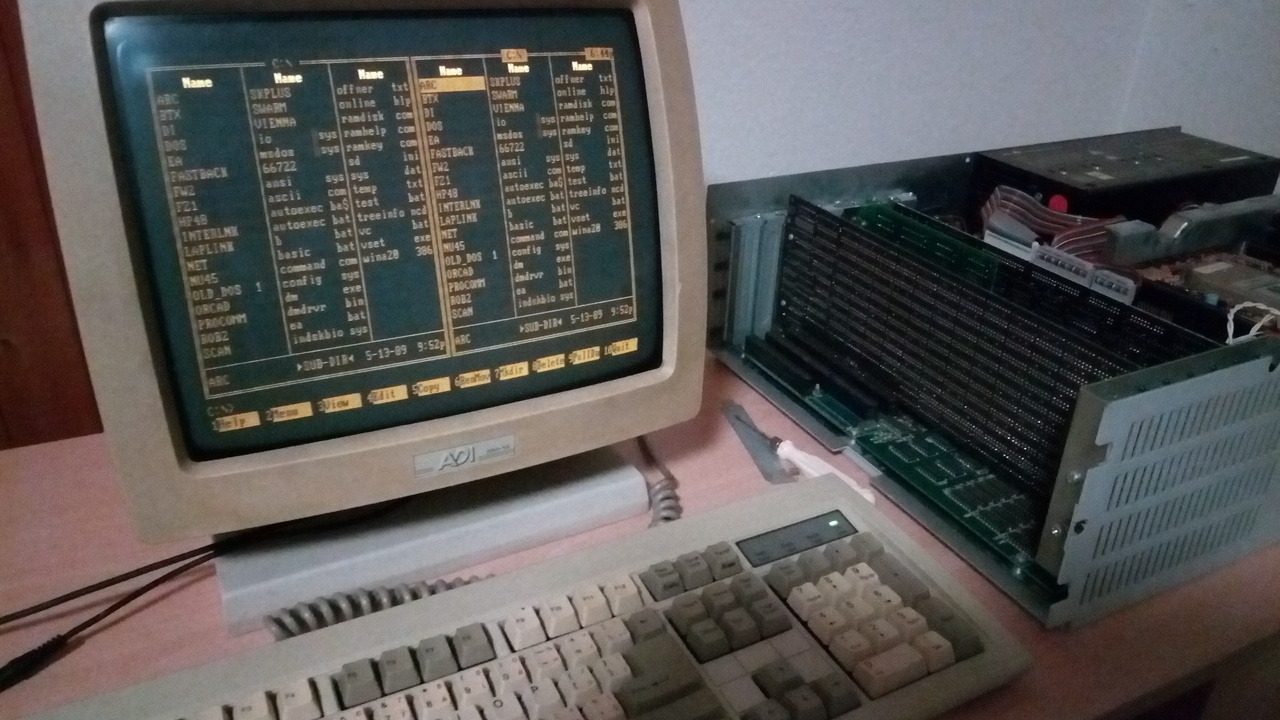
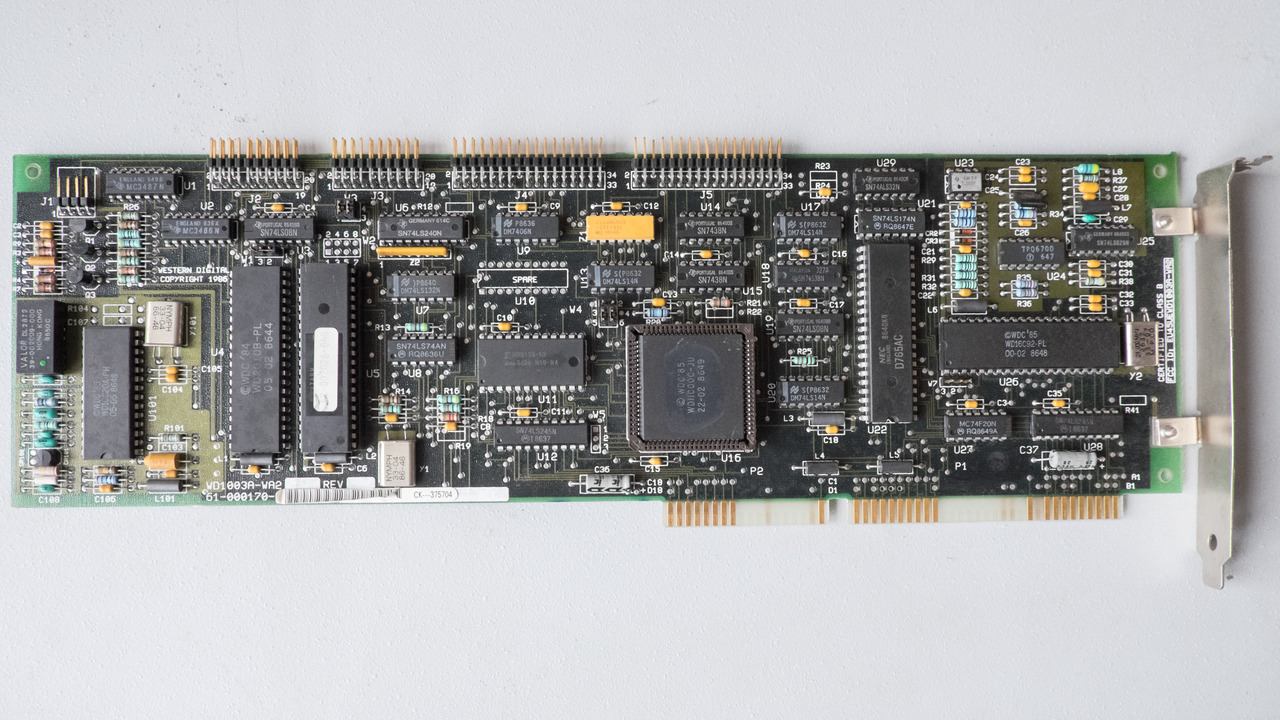
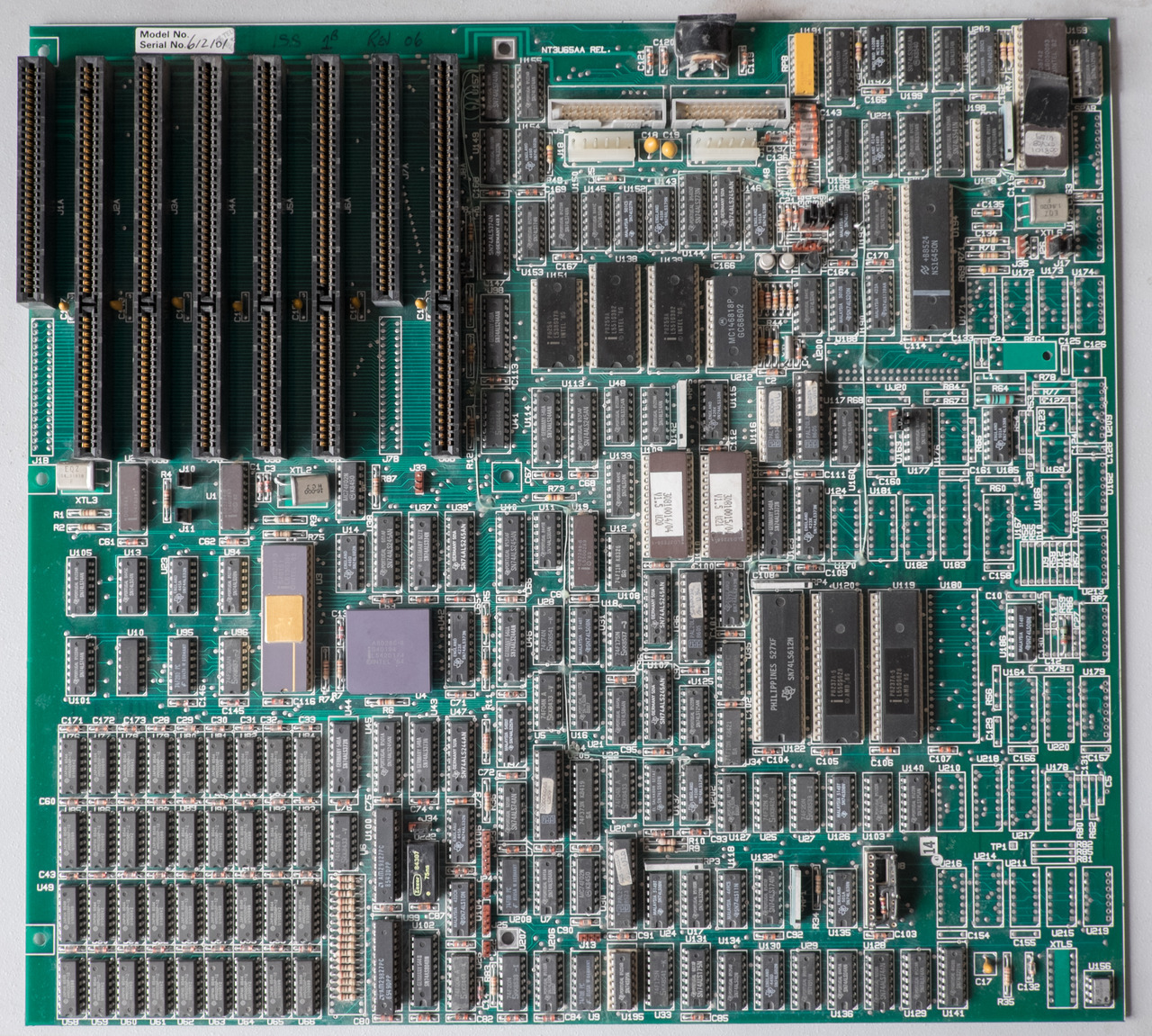
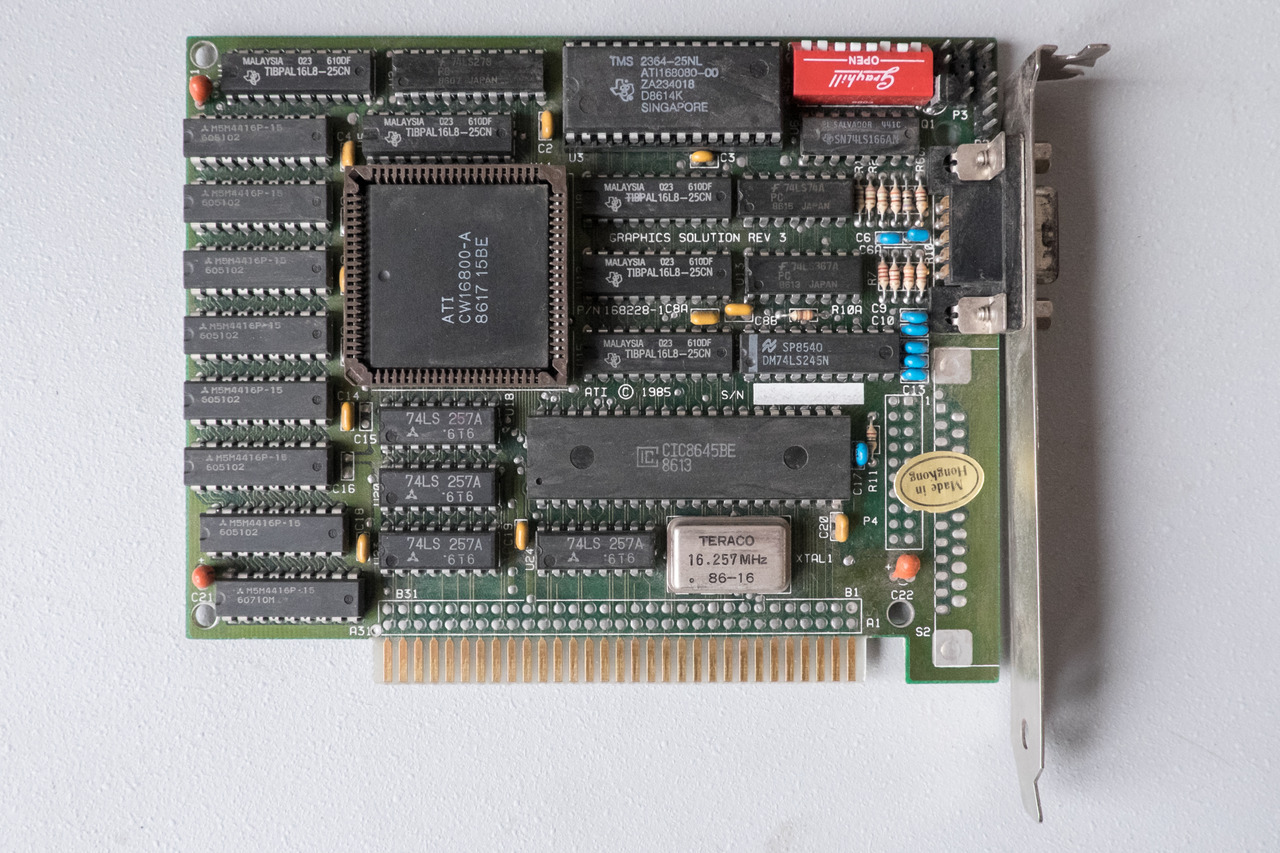
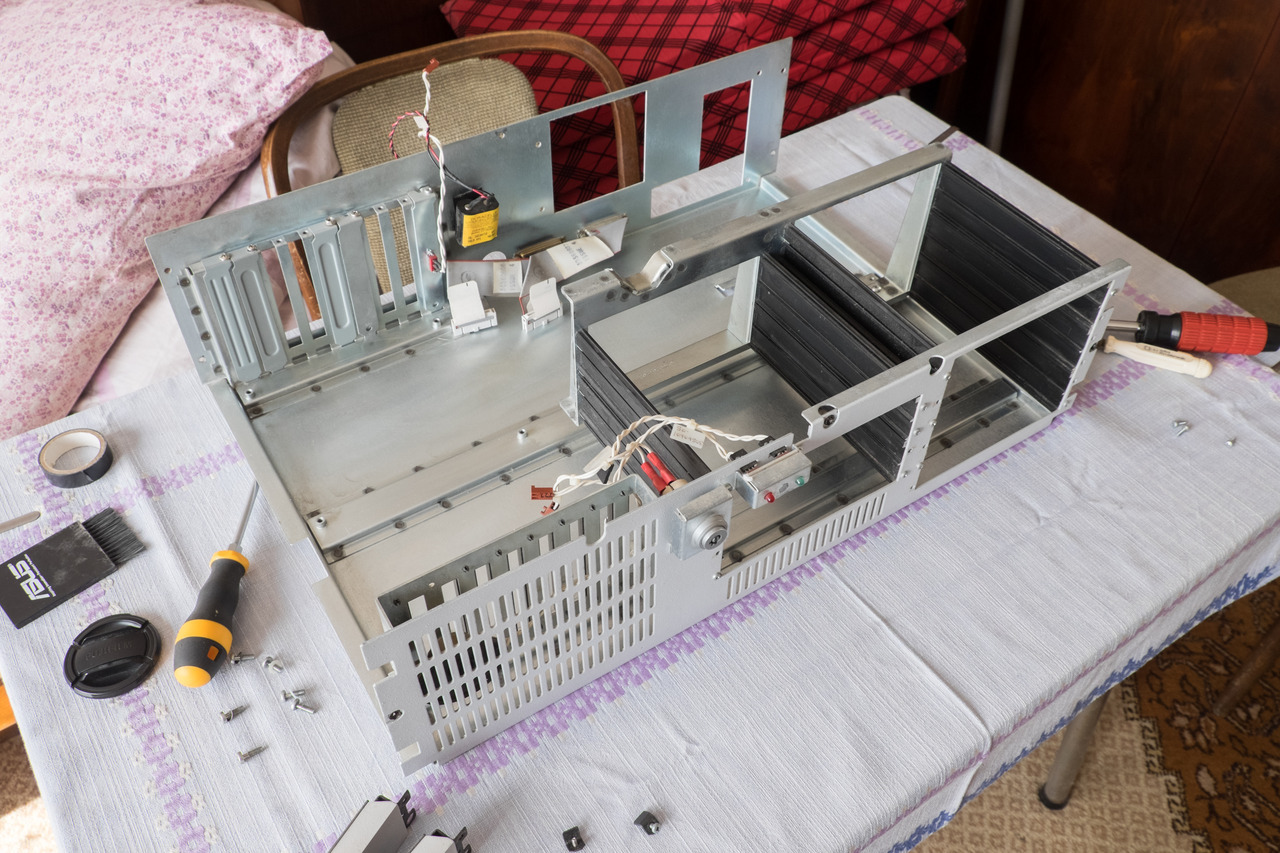
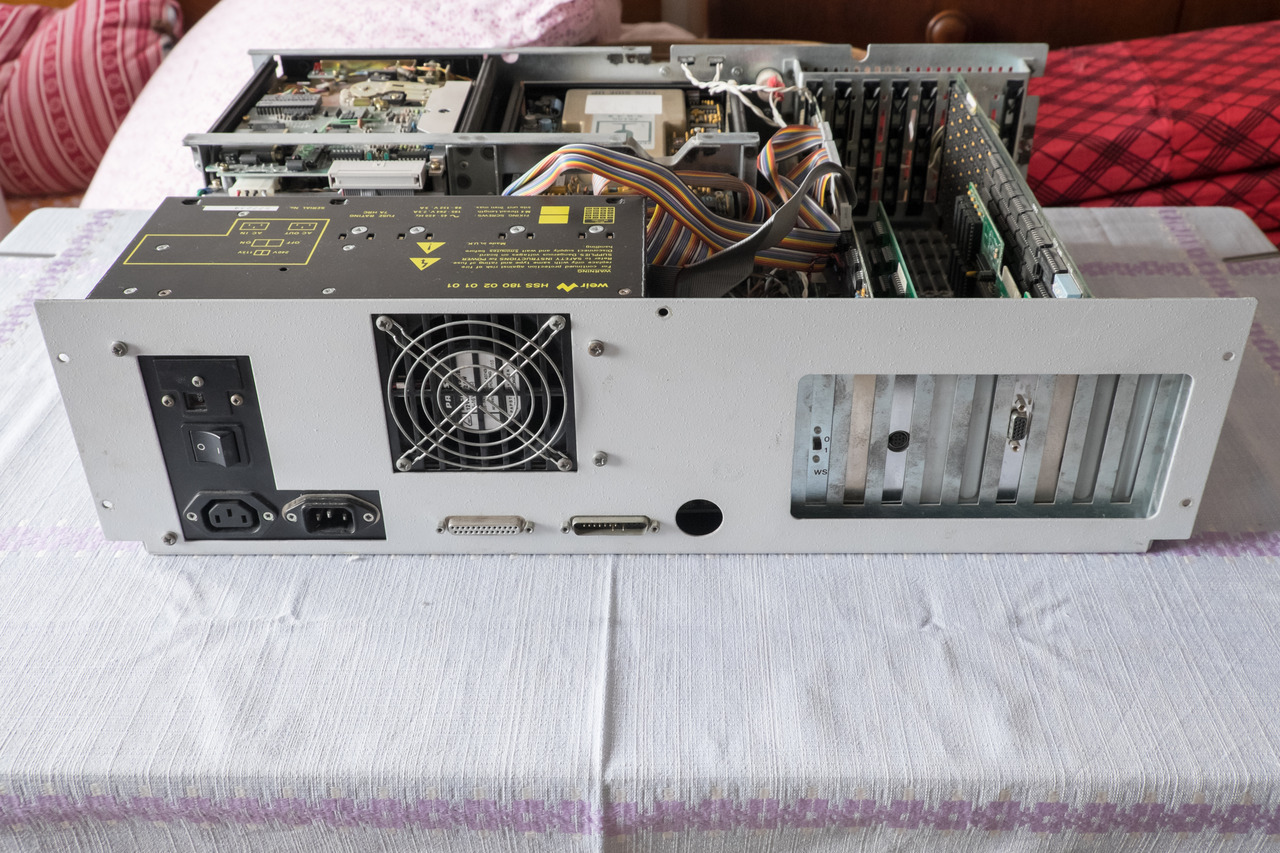
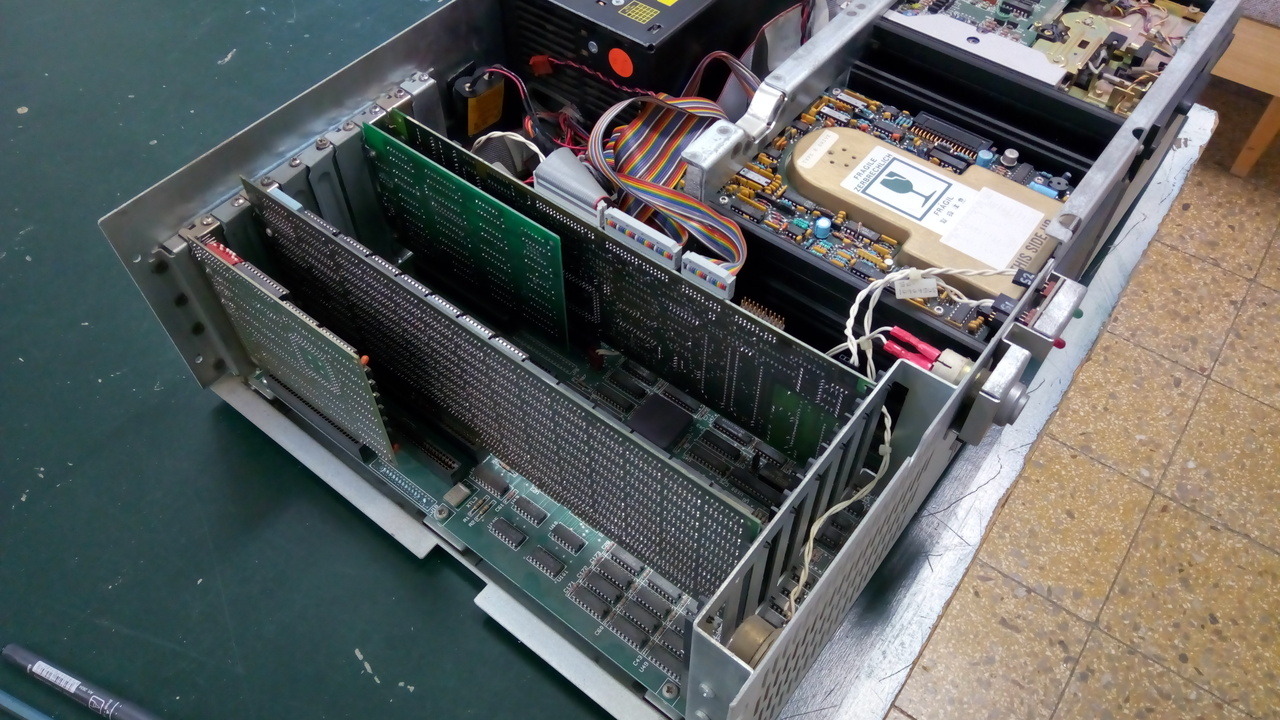
It took me five hours to clean whole computer. I had to remove all components to properly clean the case, but It looks much better now. Anyway, the complete disassembly allowed me to take higher quality photos of all cards inside. I’ve never seen a standard desktop PC with so large mainboard – everything is done using many single-function chips instead of large multi-function chipsets (btw the missing chips are for an FDD controller).

Installed cards:

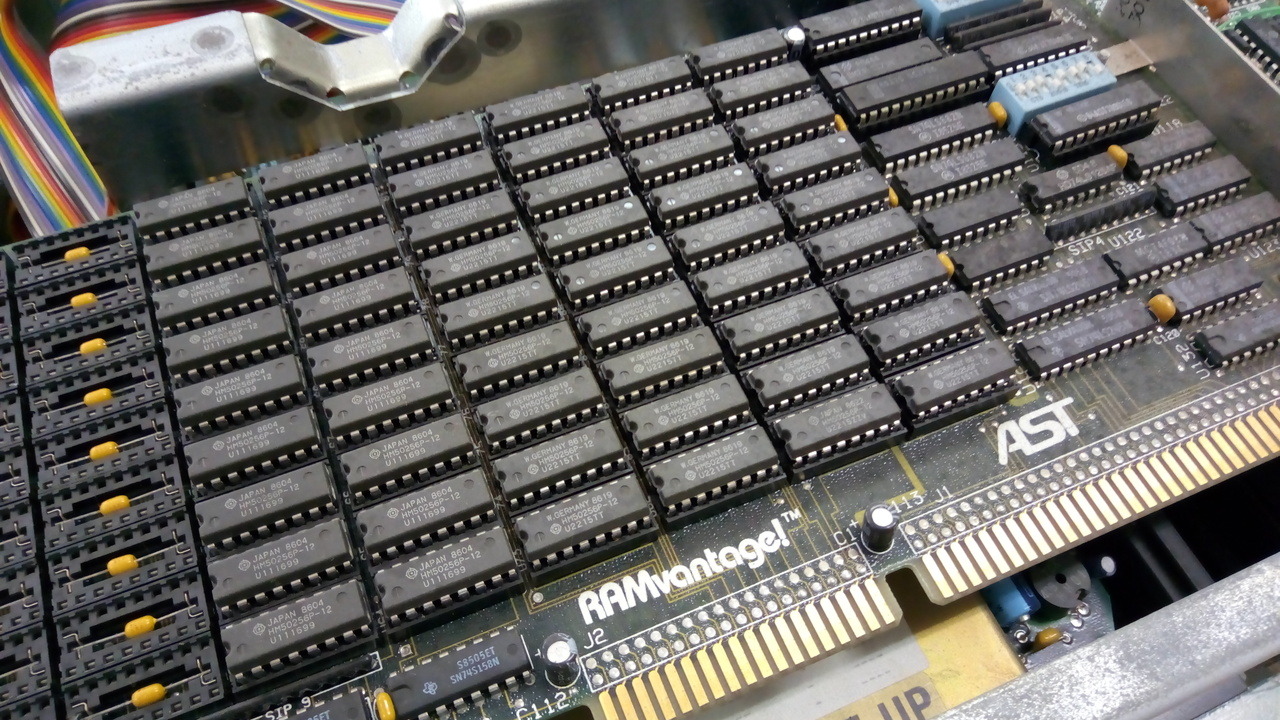
  • AST RAMvantage RAM card (supports up to 3 megs of XMS)
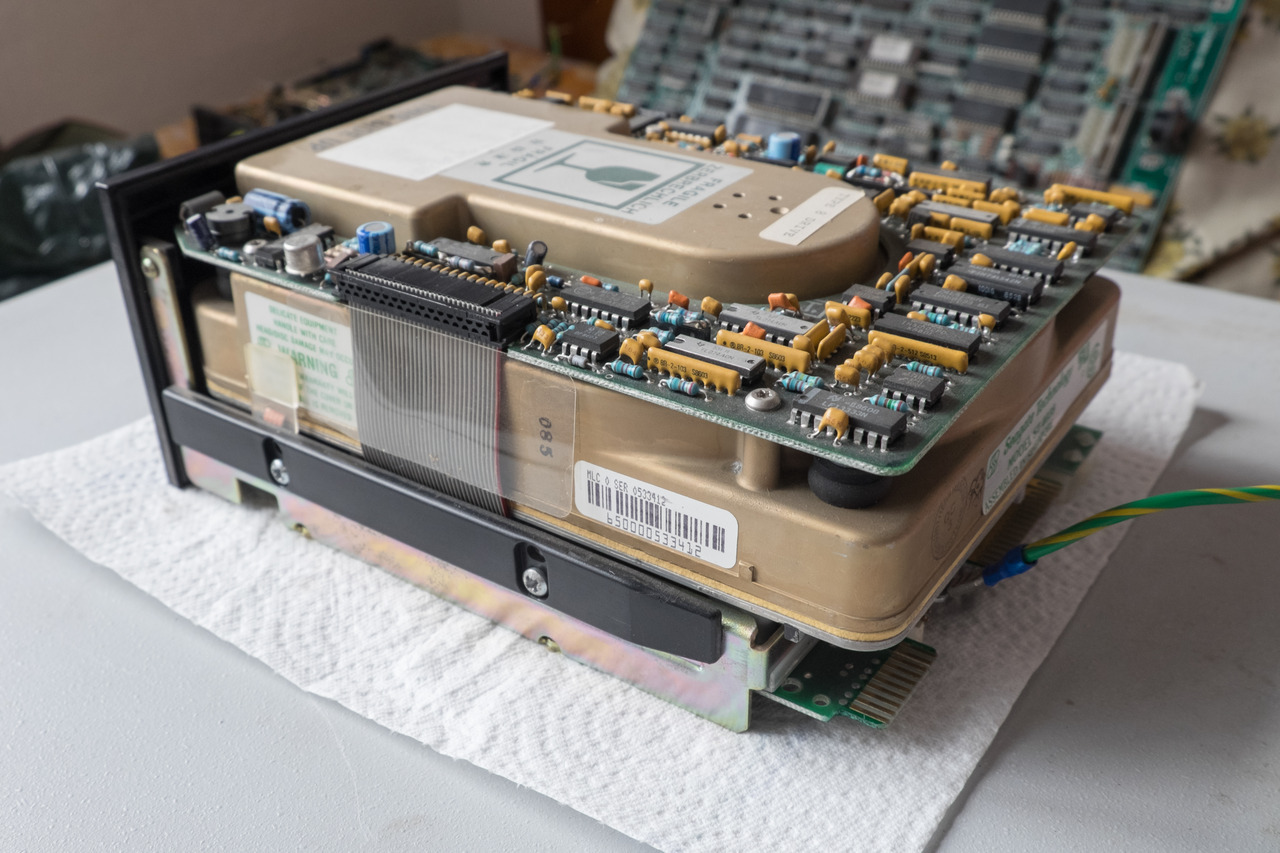
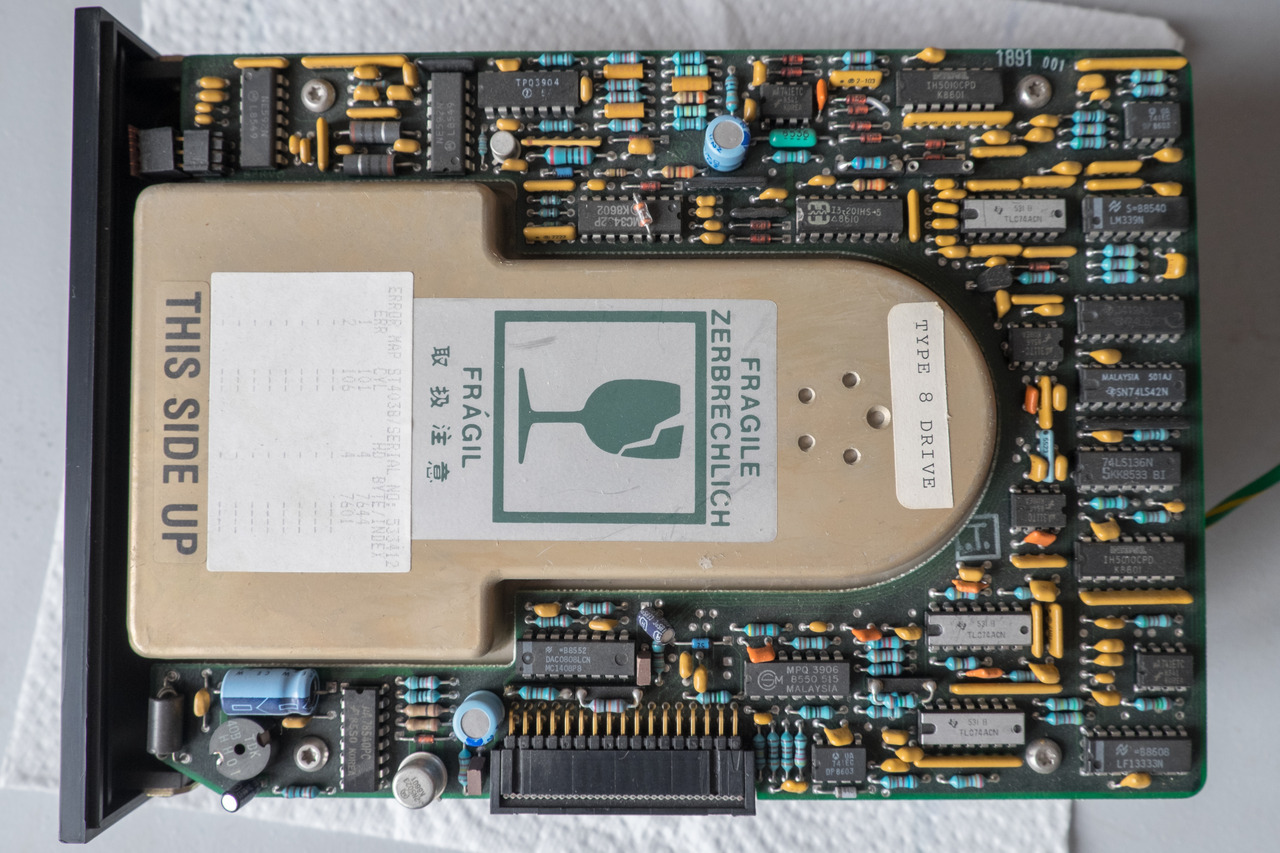
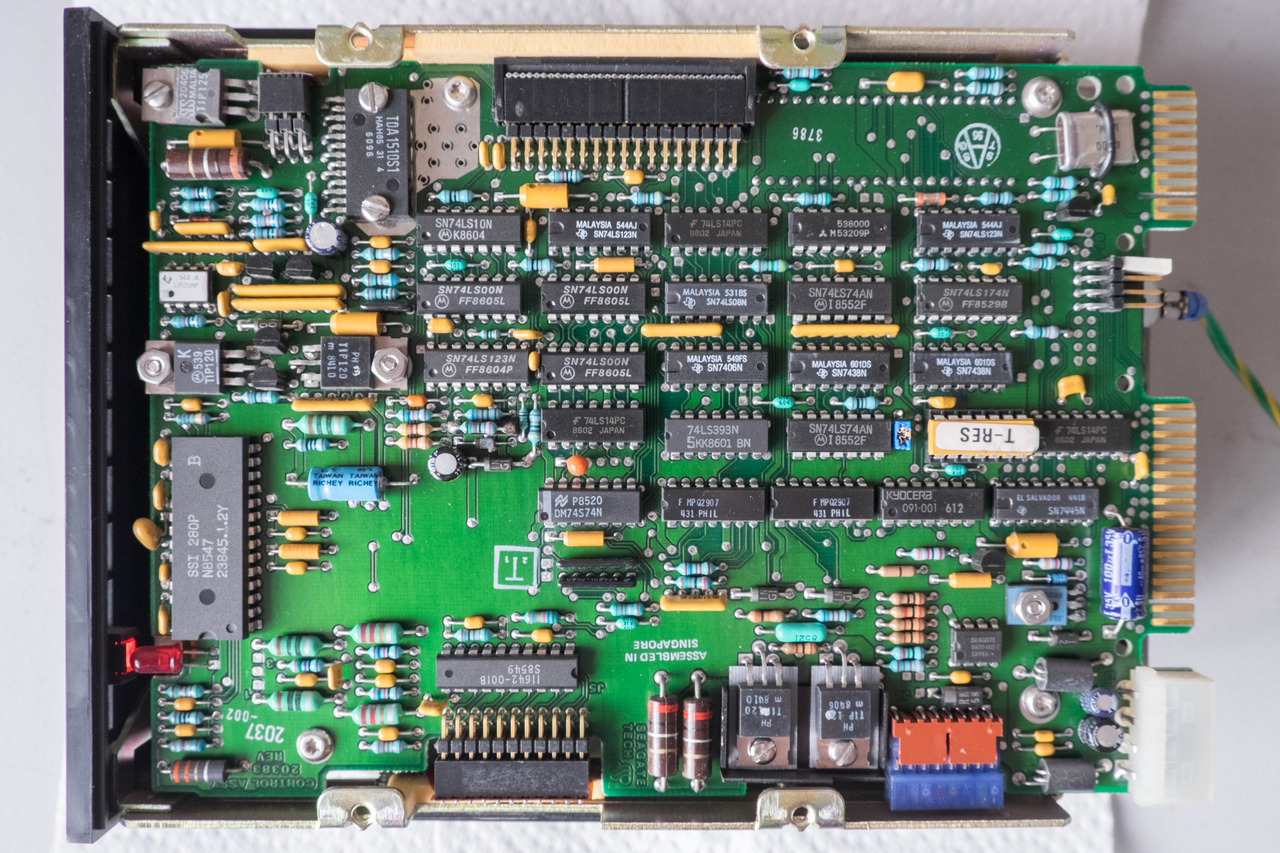
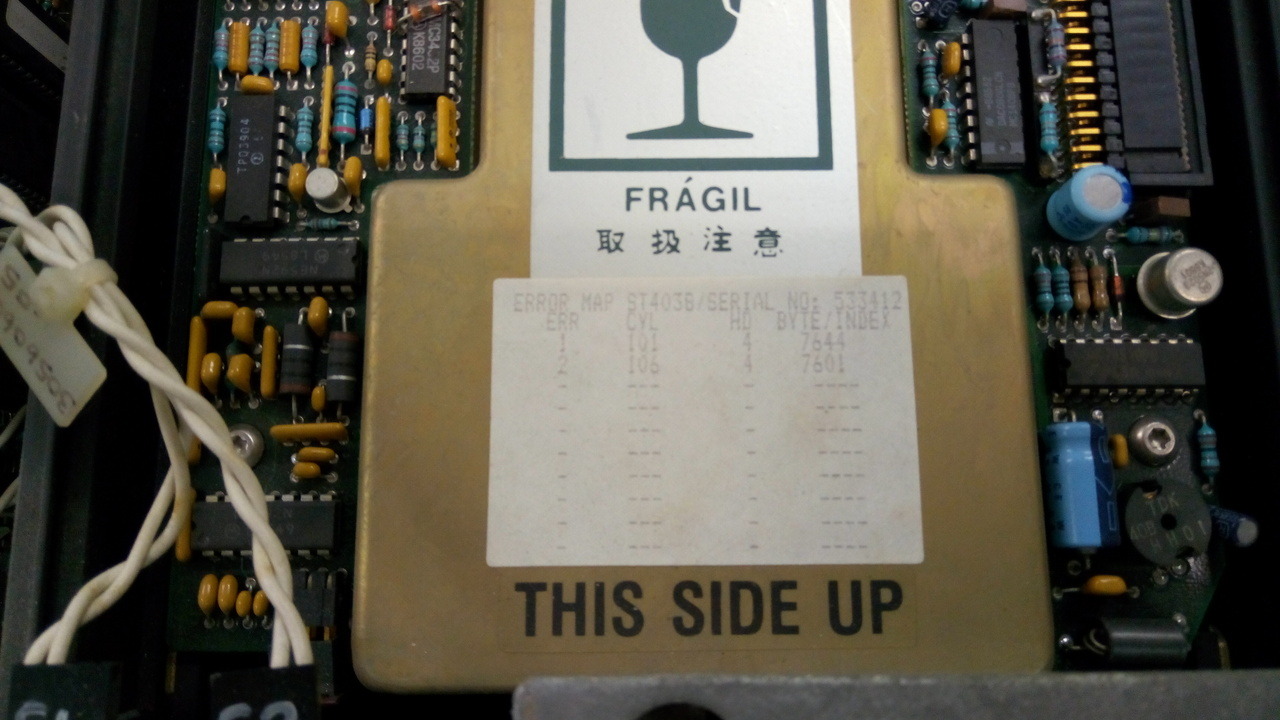
  • Western Digital WD1003A-WA2 HDD/FDD controller (connected to a ST-4038 hard drive)
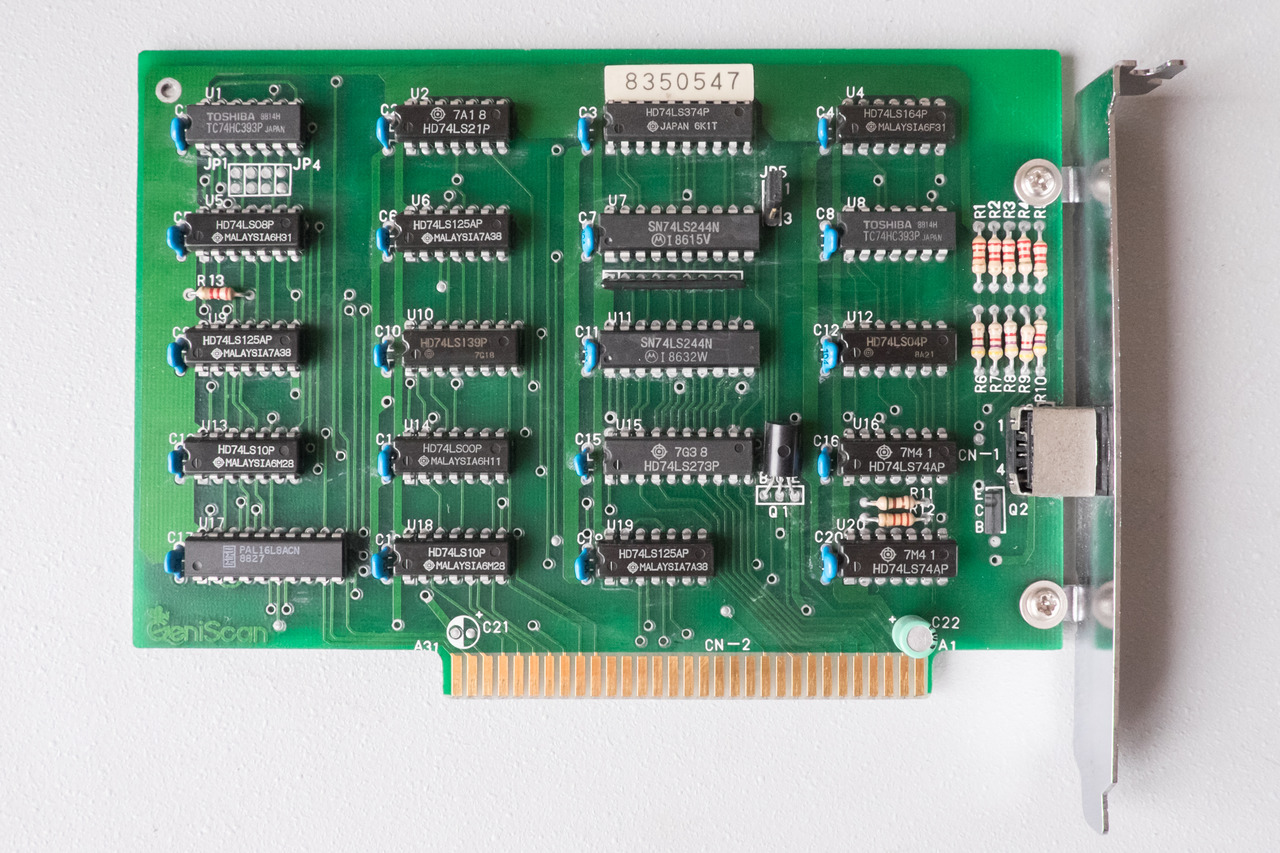
  • GeniScan interface (for GeniScan hand scanners)
  • ATI Graphics Solution rev3 (the first ATI chip – supports Hercules and CGA)

Bringing “Vienna 286” back to life

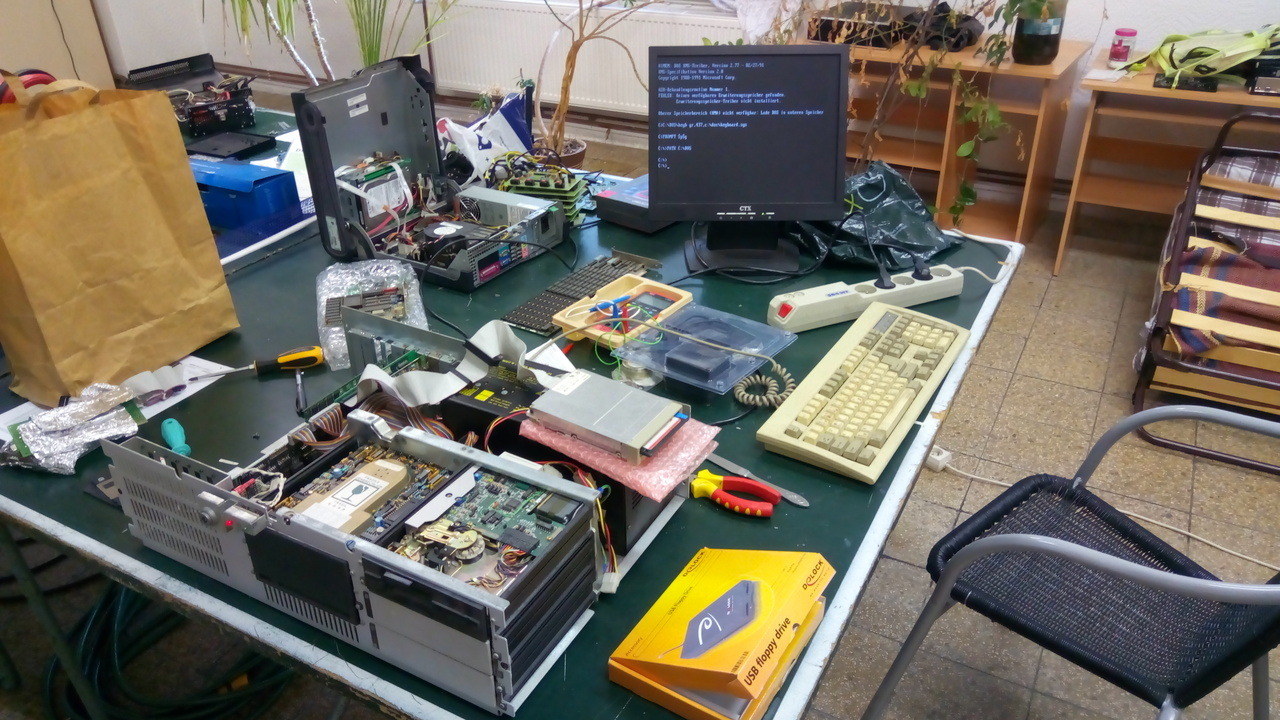
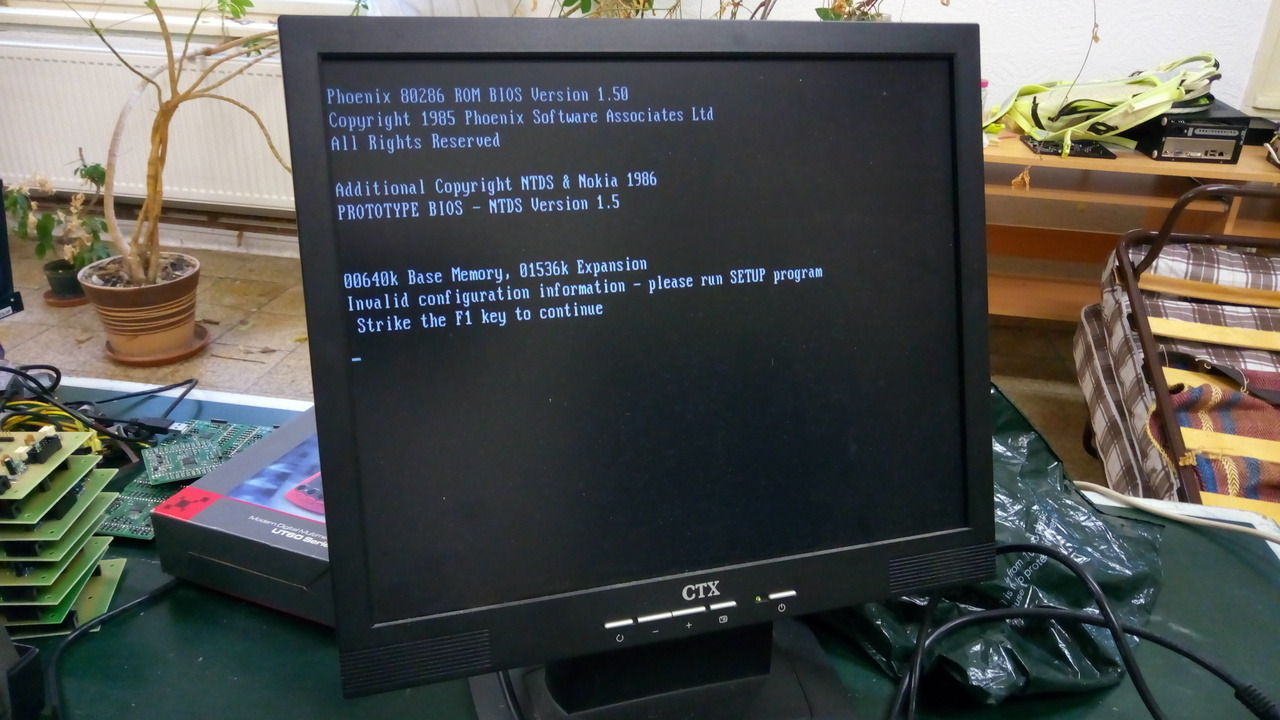
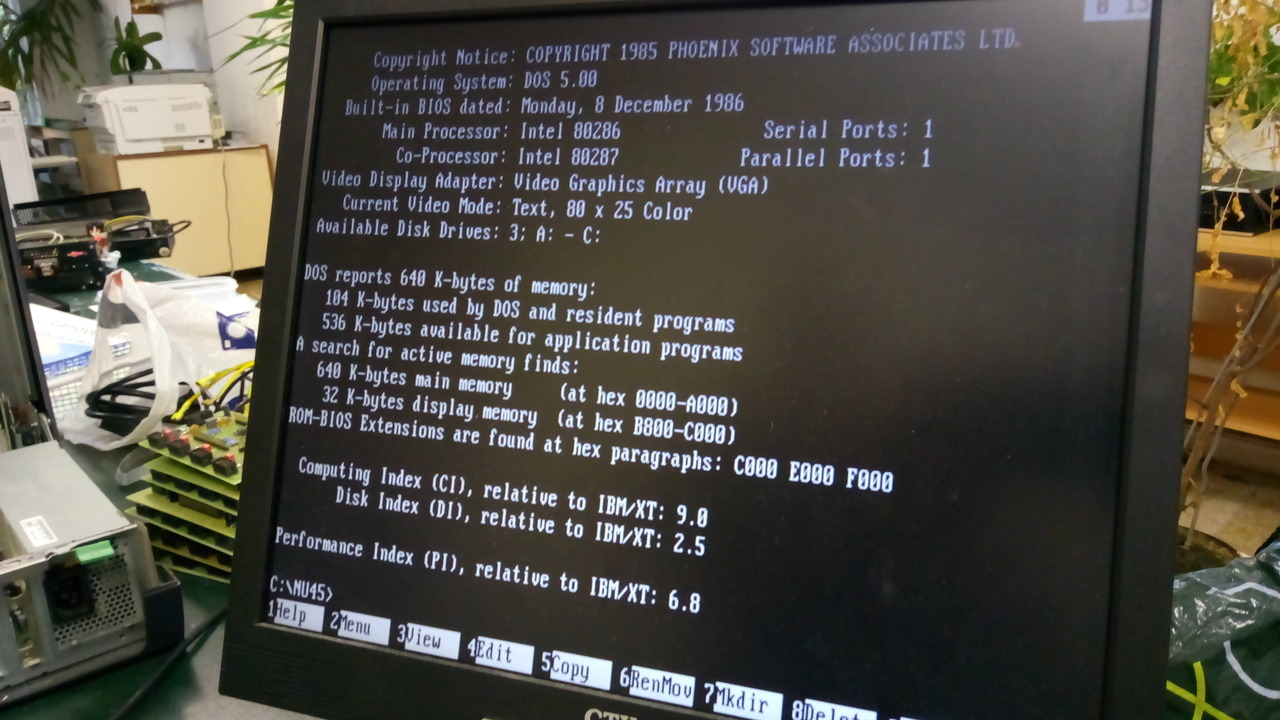
A friend of mine found an early 286 computer from the 80s in his garage. It was built in 1987 in Austria and then sold to an engineering school in socialistic Czechoslovakia for an incredible amount of money. The system contains 8-MHz Intel 80286 & 80287, a 1.5MB RAM expansion card, a Hercules clone (the first ever PC graphics chip from ATI) and a 30-MB Seagate hard drive for the ST-506 interface. We were not sure if it worked after decades in garage but to our surprise, we were able to boot. The system was fully working once we set up CMOS variables.

A few notes:

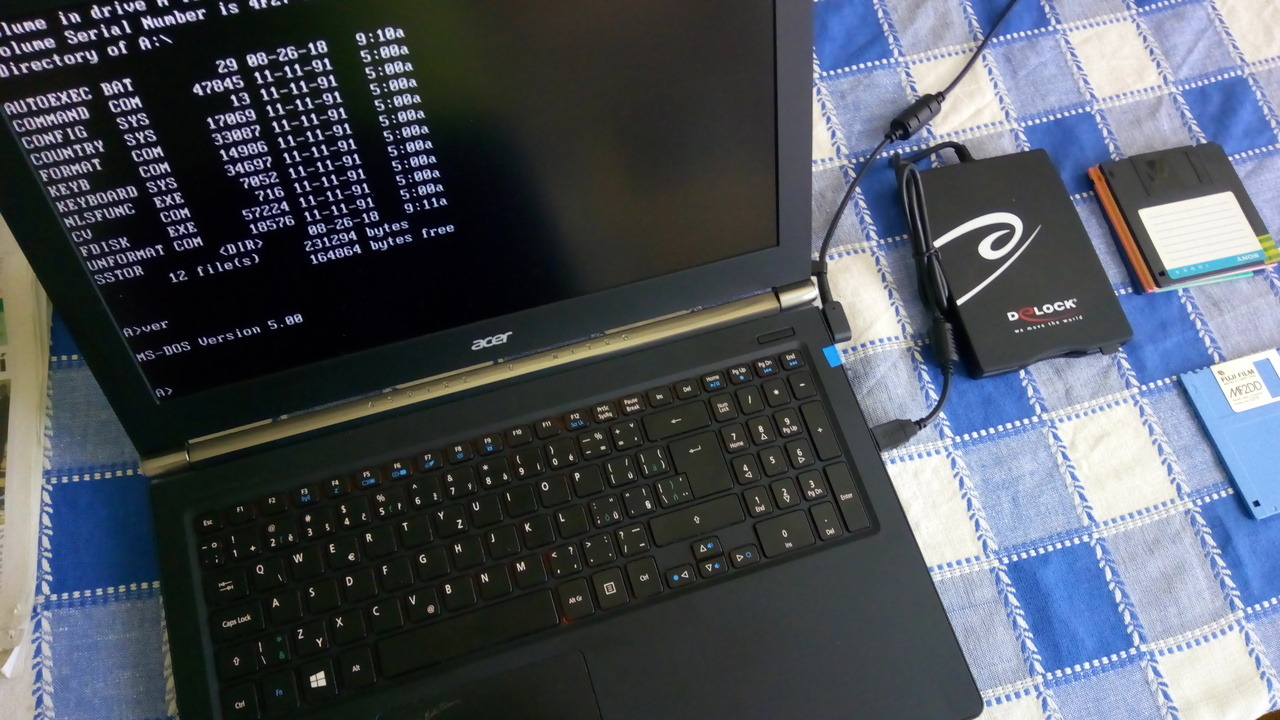
  • Modern computers with USB floppy drives are still usable for creating and testing DOS boot floppies without a need for emulators
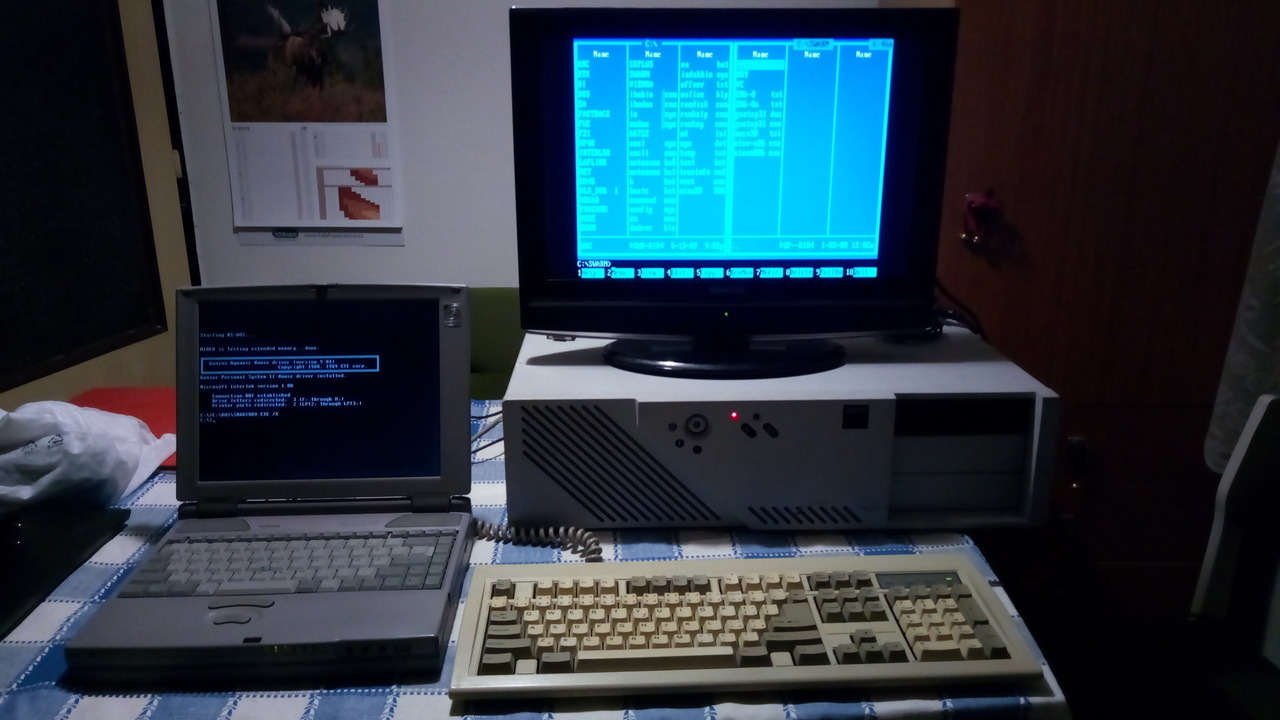
  • The Czech “old computing” community is very generous. We forgot to take a PS/2-DIN adaptor and didn’t want to go back to Prague for one (two hours of driving) so I wrote a message on Facebook and got a keyboard (with mechanical switches) for free from a person living in a city near us.
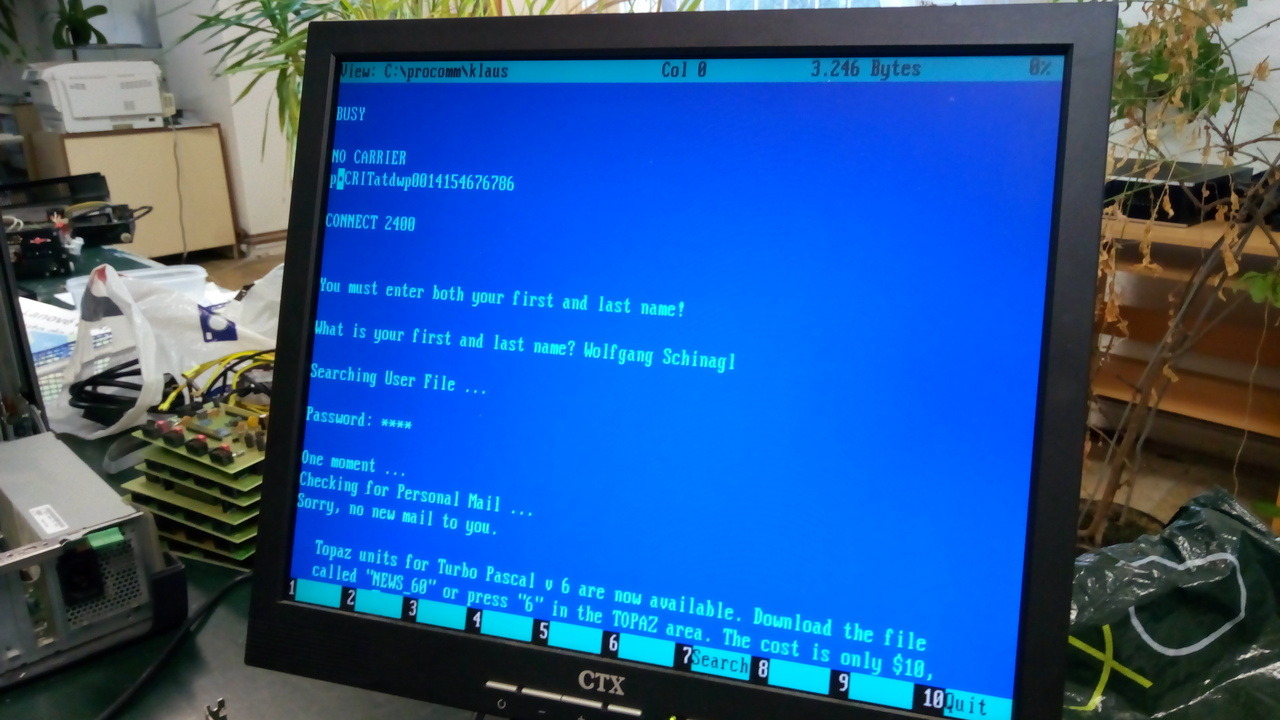
  • Copying a whole 30-MB disk drive over a 115 kb/s serial port is faster than copying modern drives over USB 3.0
  • Booting to DOS prompt takes only 12 seconds (including BIOS)
  • I had to find a generic BIOS setup utility, because the early Phoenix BIOS didn’t
    have it built-in. GSETUP31.EXE was a solution. Check this for good DOS stuff (more
    info in 00_index.txt).

Atari Stacy And a New Display

  • by

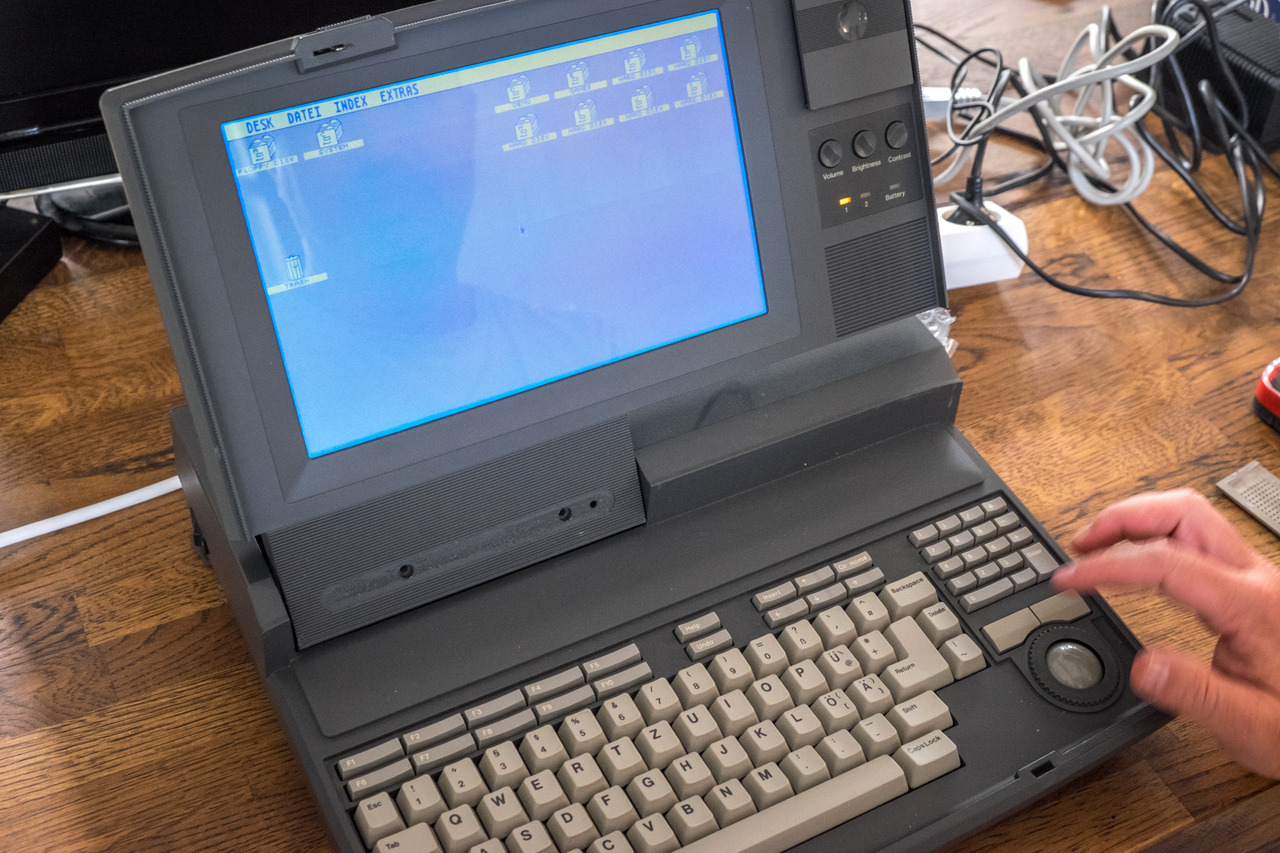
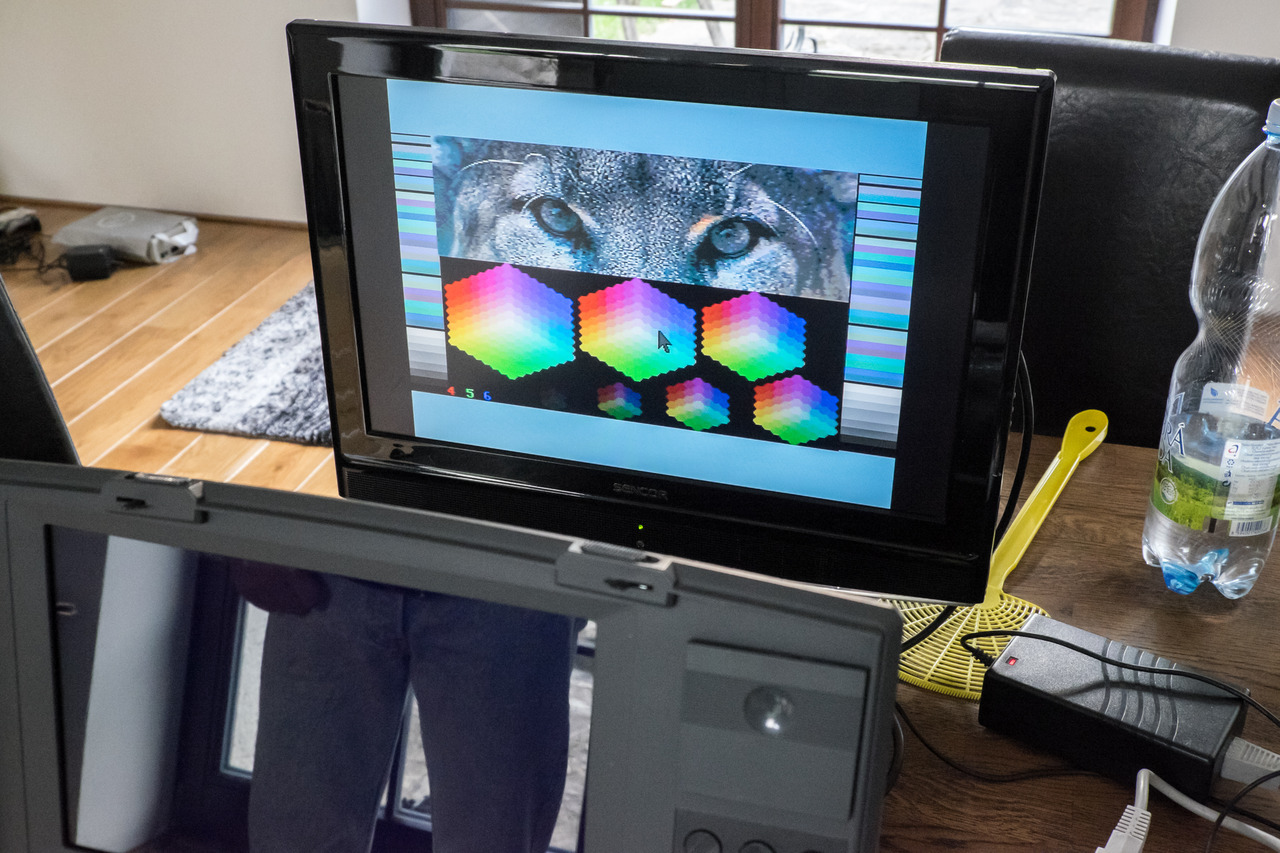
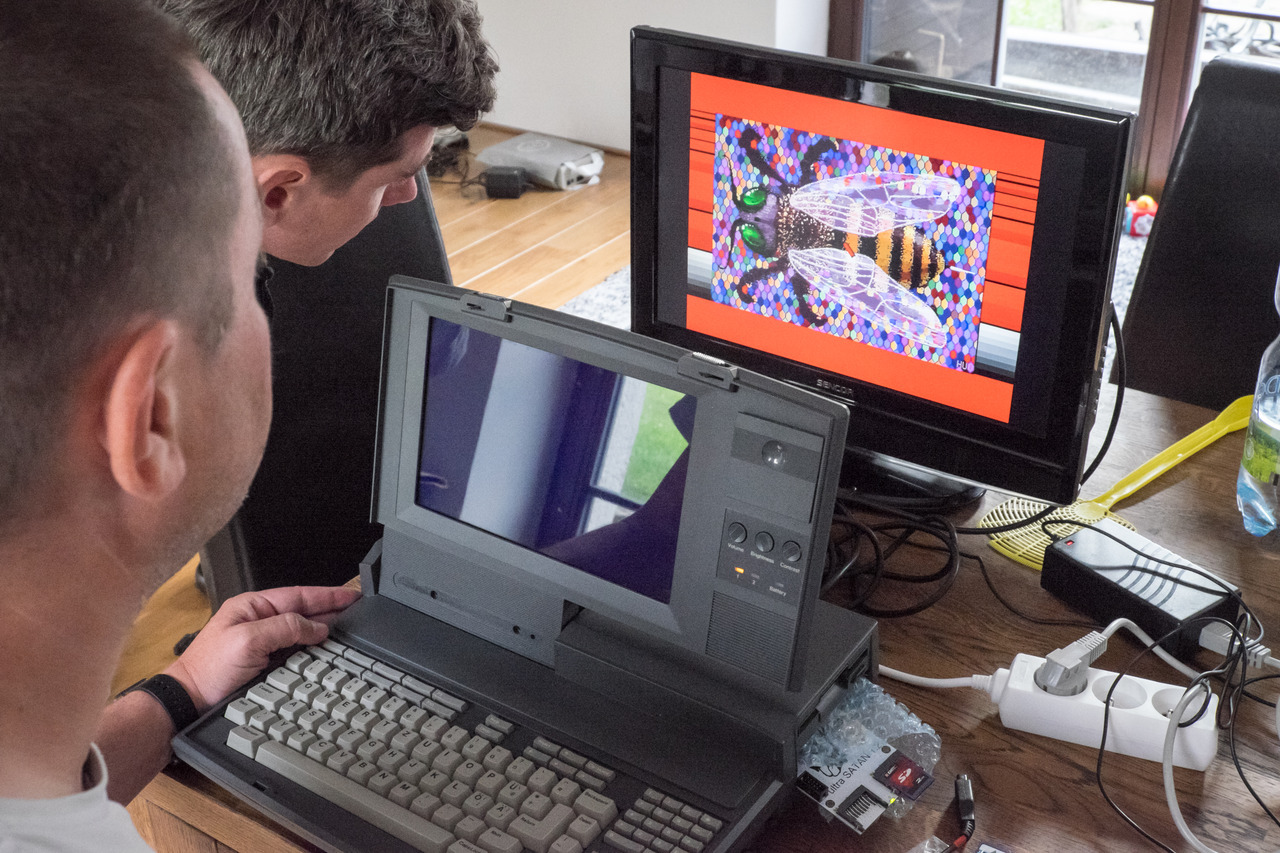
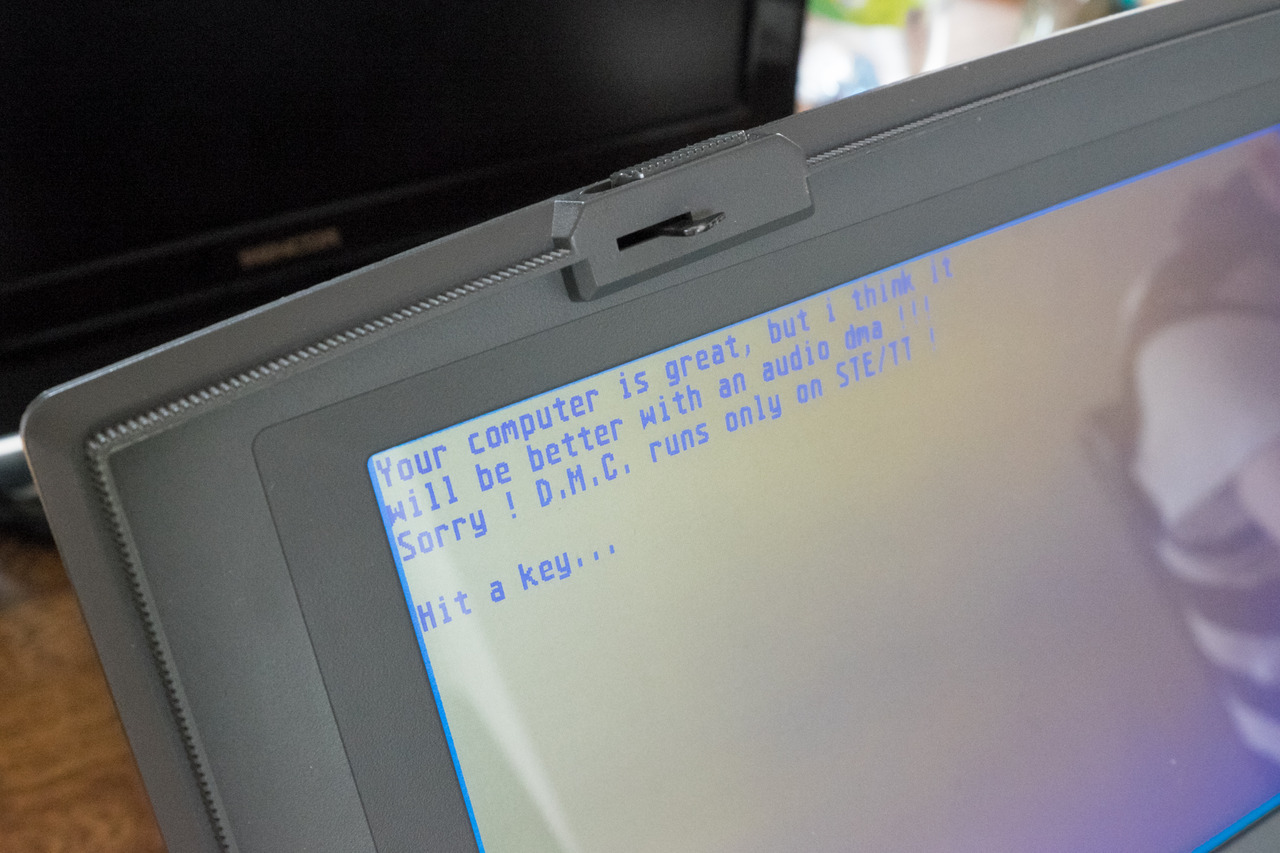
You can still buy a new white-on-blue LCD for Atari Stacy (a 30 years old system). The reason is simple – the same screen is used in multiple medical/industrial devices. The result is better than backlight replacement we did on a different unit although the new screen is glossier. Now we have two fully working machines.

I don’t have much experience with 16-bit Atari computers so I was quite surprised that the system has also some tricks to get more than 16 colors our of the machine. Albeit not as useful as the HAM mode on Amiga, this is still impressive.

Tesla 3WN1660

  • by

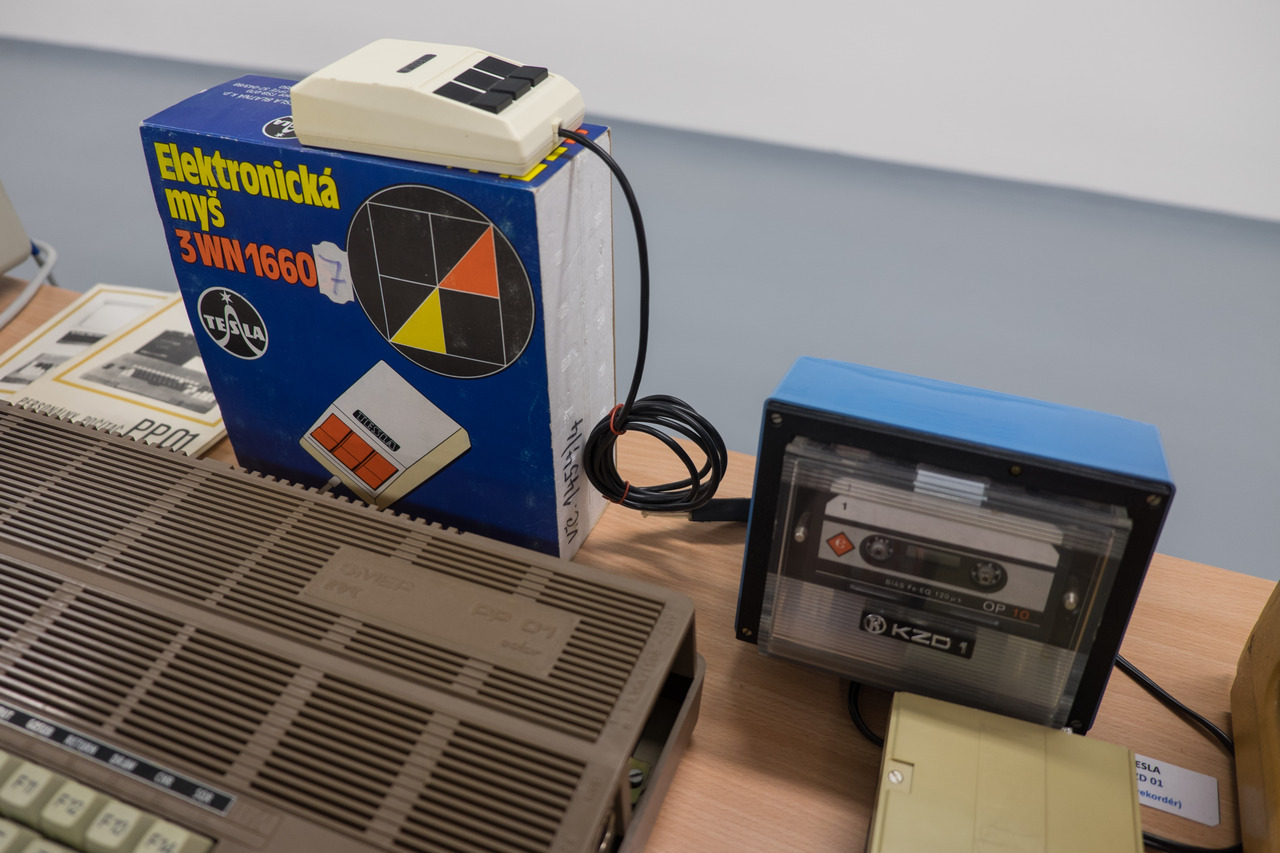
Tesla 3WN1660 Computer Mouse (made in Czechoslovakia):

Repairing PowerBook 100

  • by

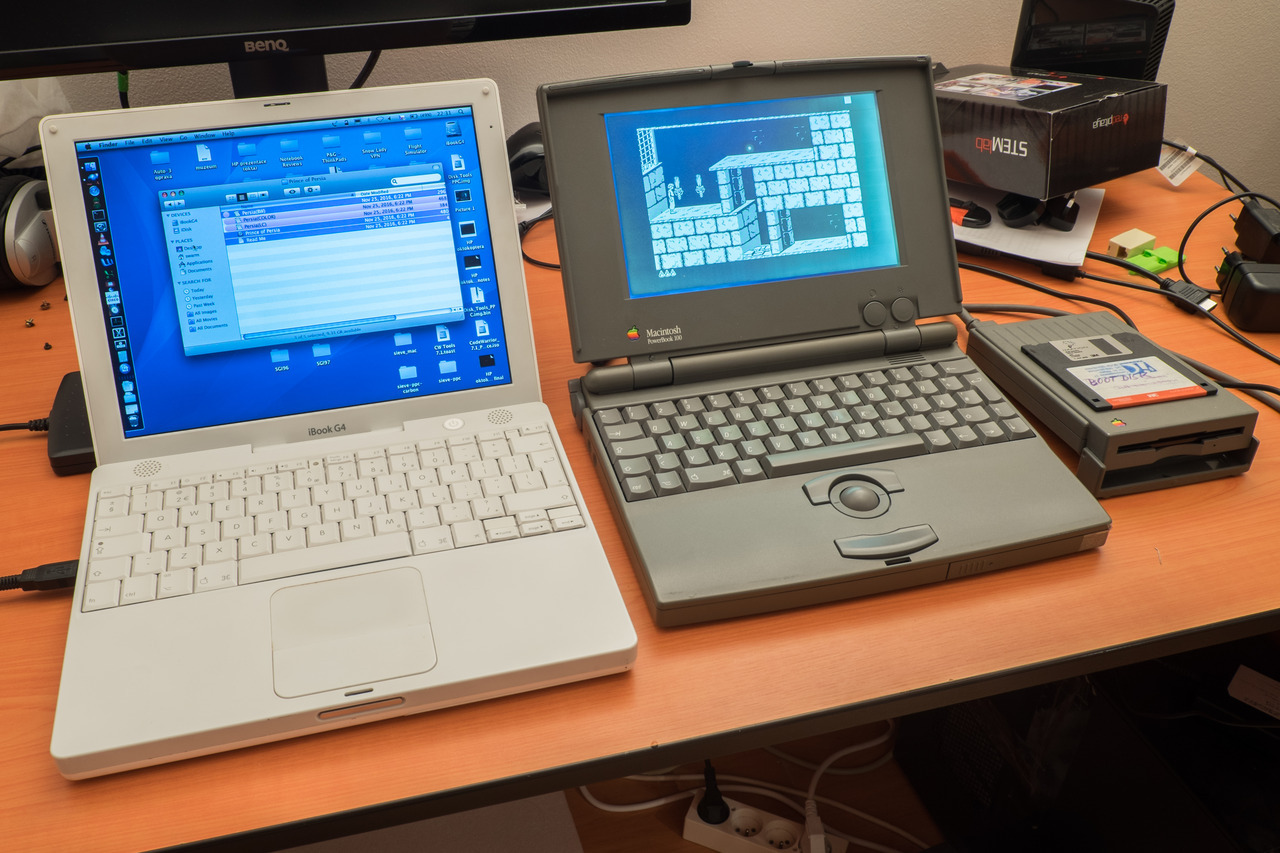
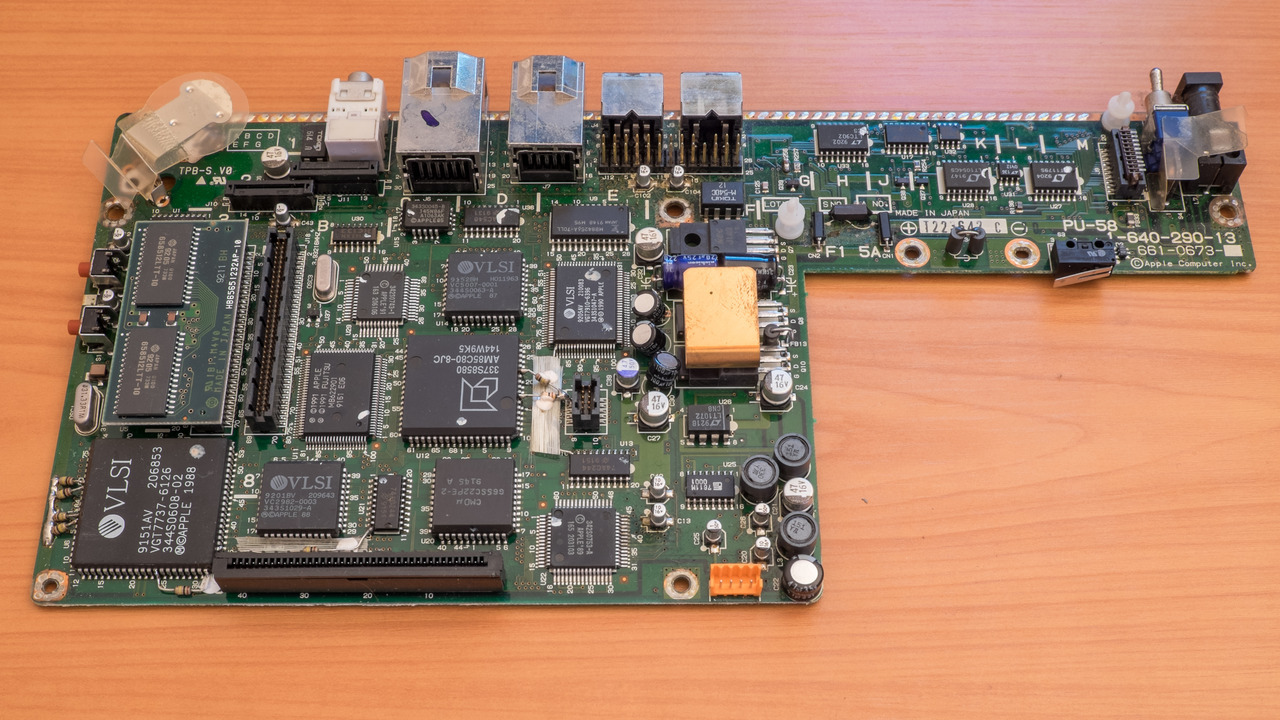
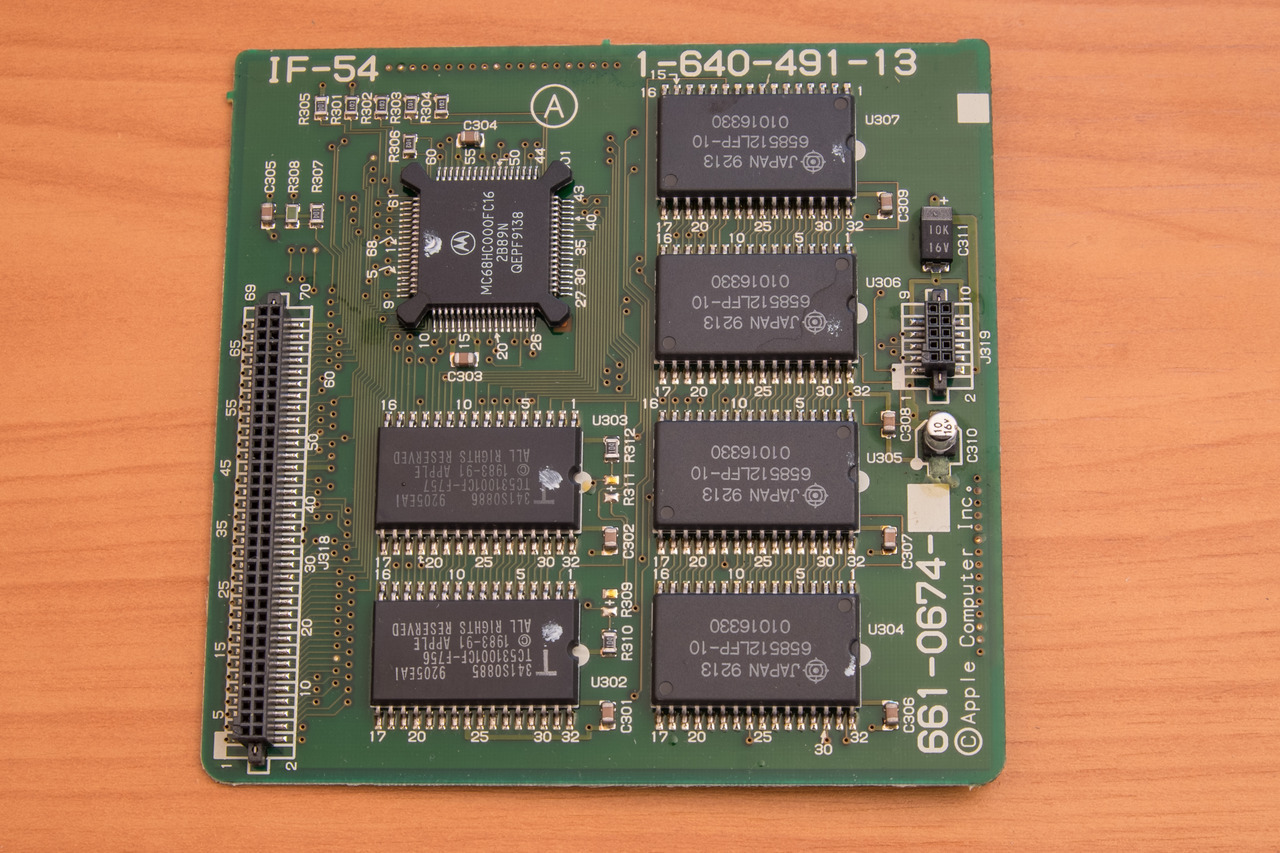
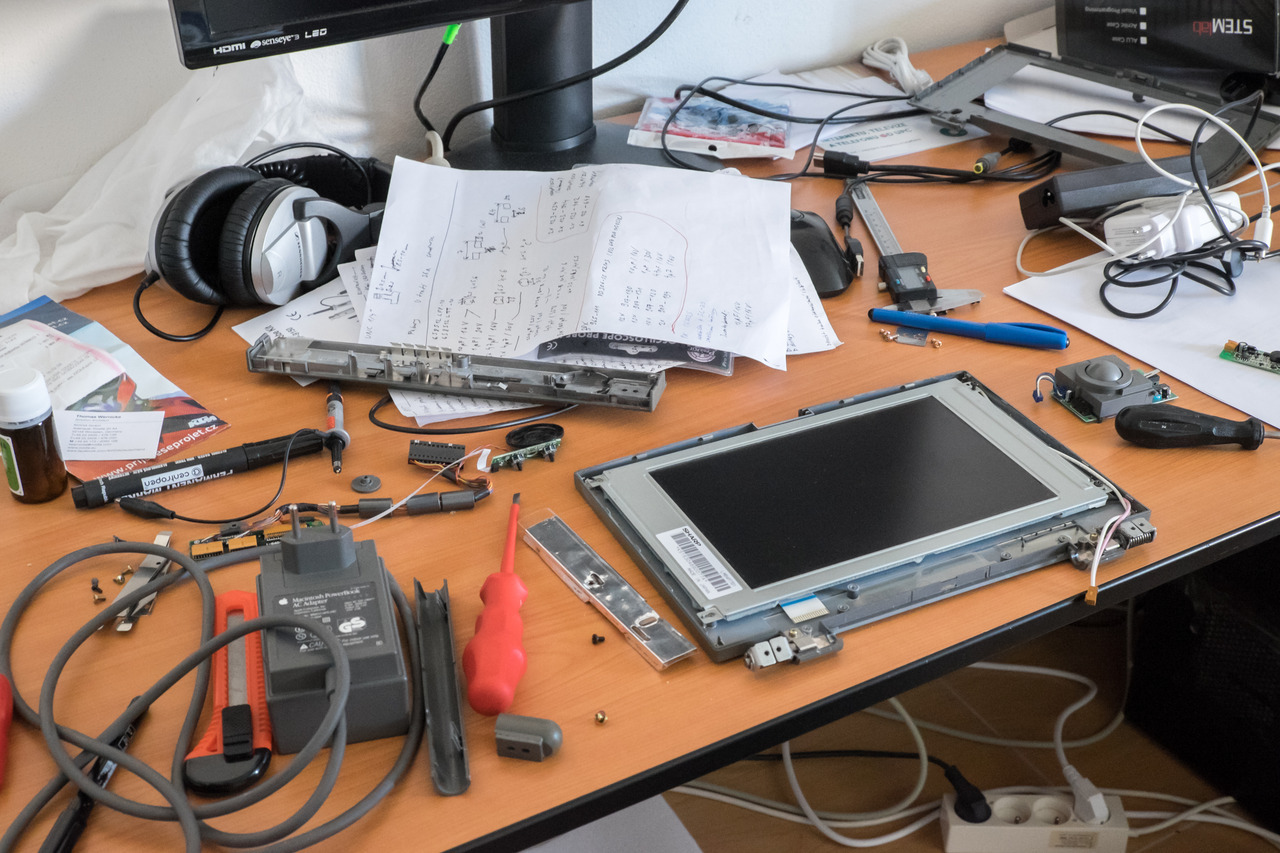
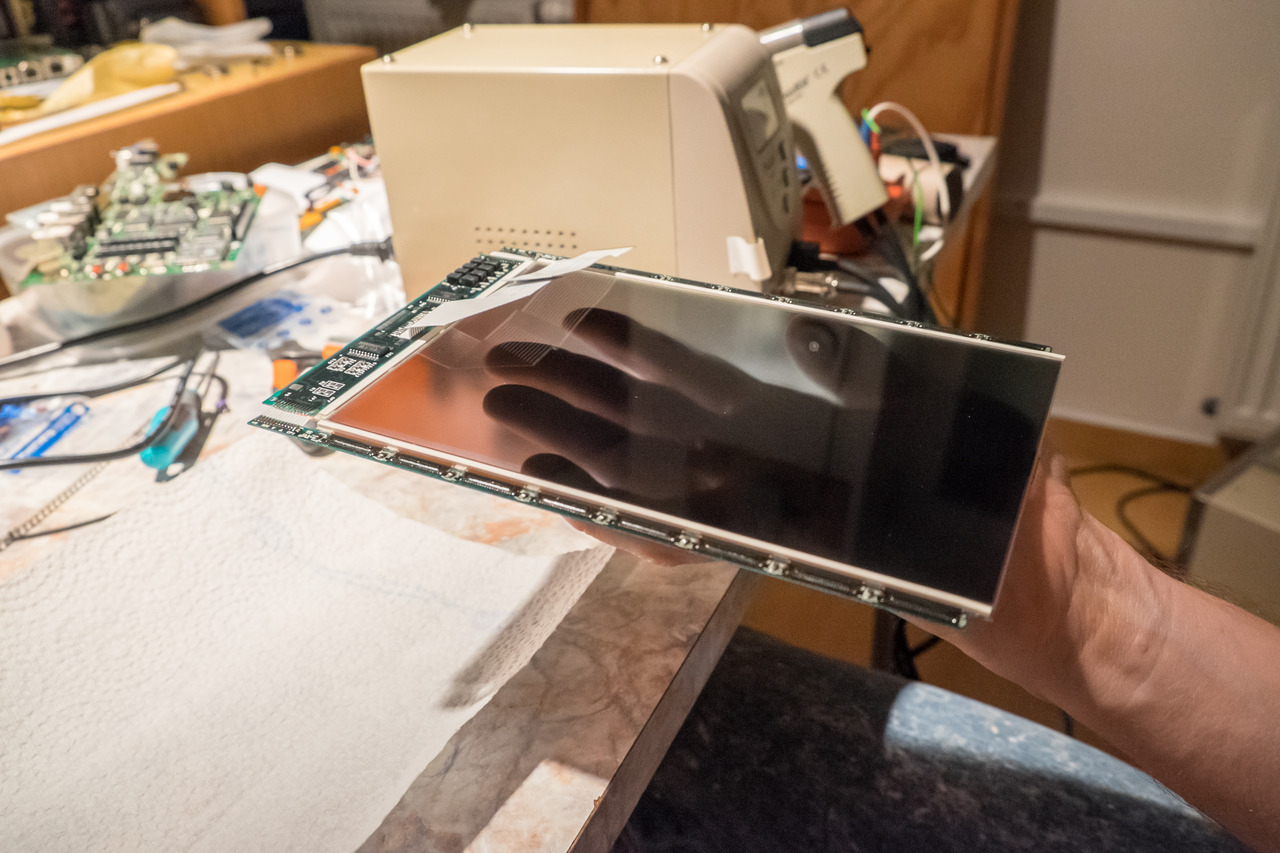
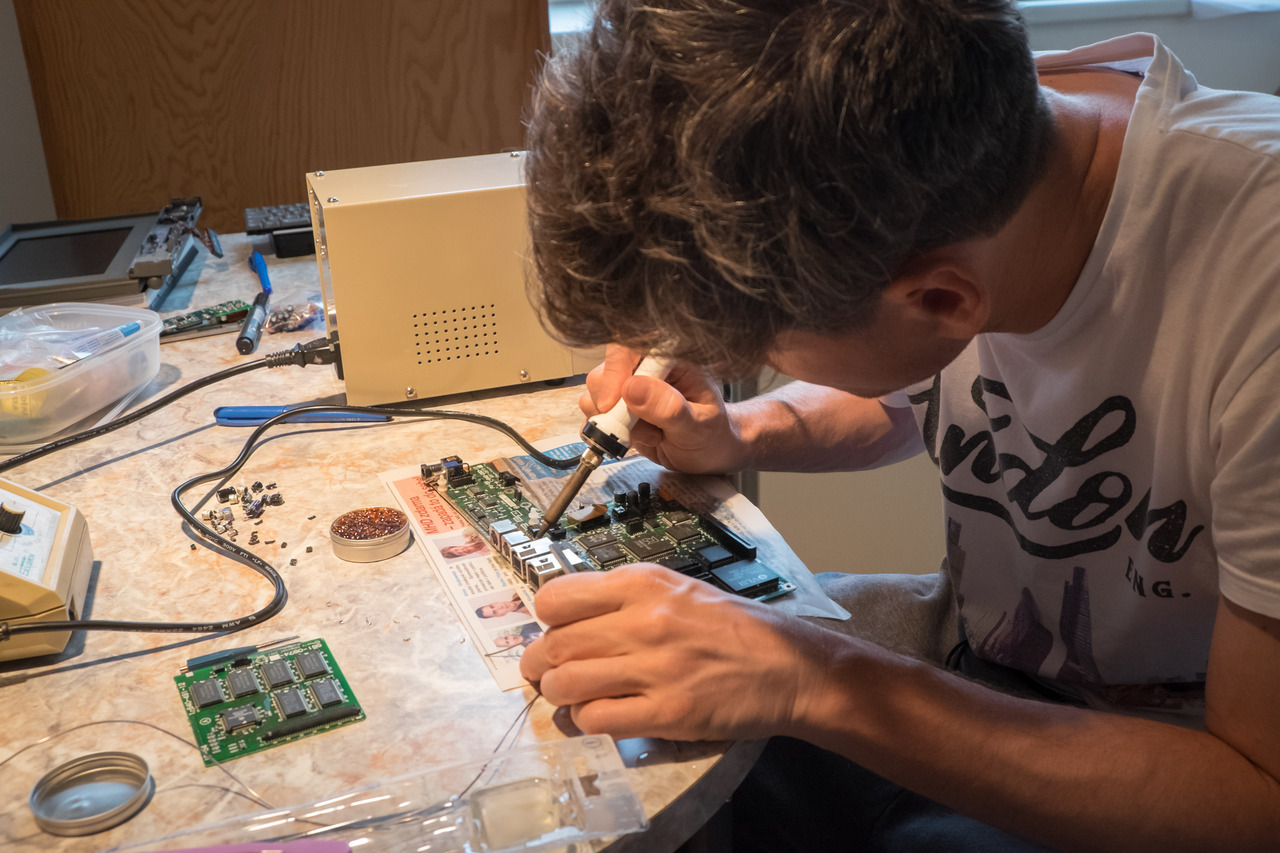
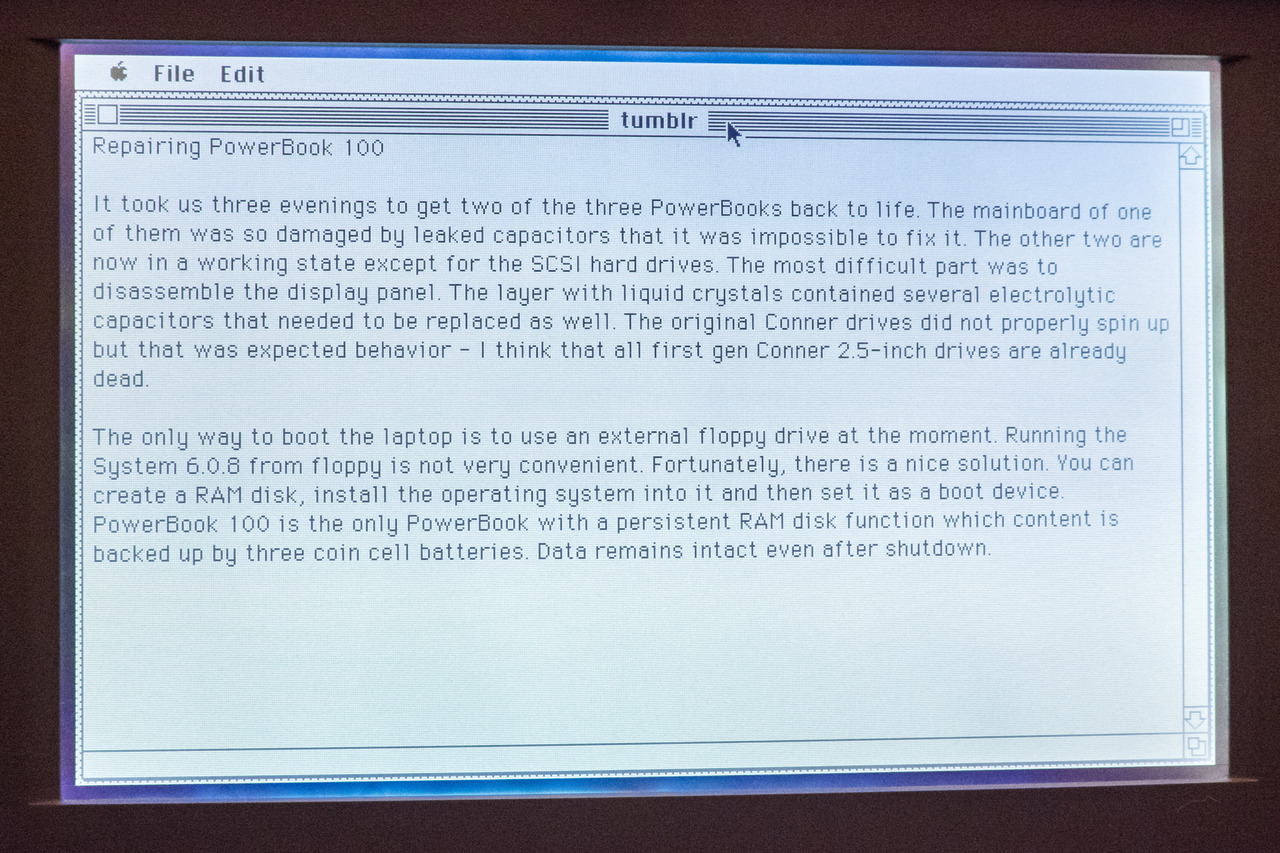
It took us three evenings to get two of the three PowerBooks back to life. The logic board of one of them was so damaged by leaked capacitors that it was impossible to fix it. The other two are now in a working state except for the SCSI hard drives. The most difficult part was to disassemble the display panel. The layer with liquid crystals contained several electrolytic capacitors that needed to be replaced as well. The original Conner drives did not properly spin up but that was expected behavior – I think that all first gen Conner 2.5-inch drives are already dead.

The only way to boot the laptop is to use an external floppy drive at the moment (or an external SCSI device). Running the System 6.0.8 from floppy is not very convenient. Fortunately, there is a nice solution. You can create a RAM disk, install the operating system into it and then set it as a boot device. PowerBook 100 is the only PowerBook with a persistent RAM disk function which content is backed up by three coin cell batteries. Data remains intact even after shutdown.

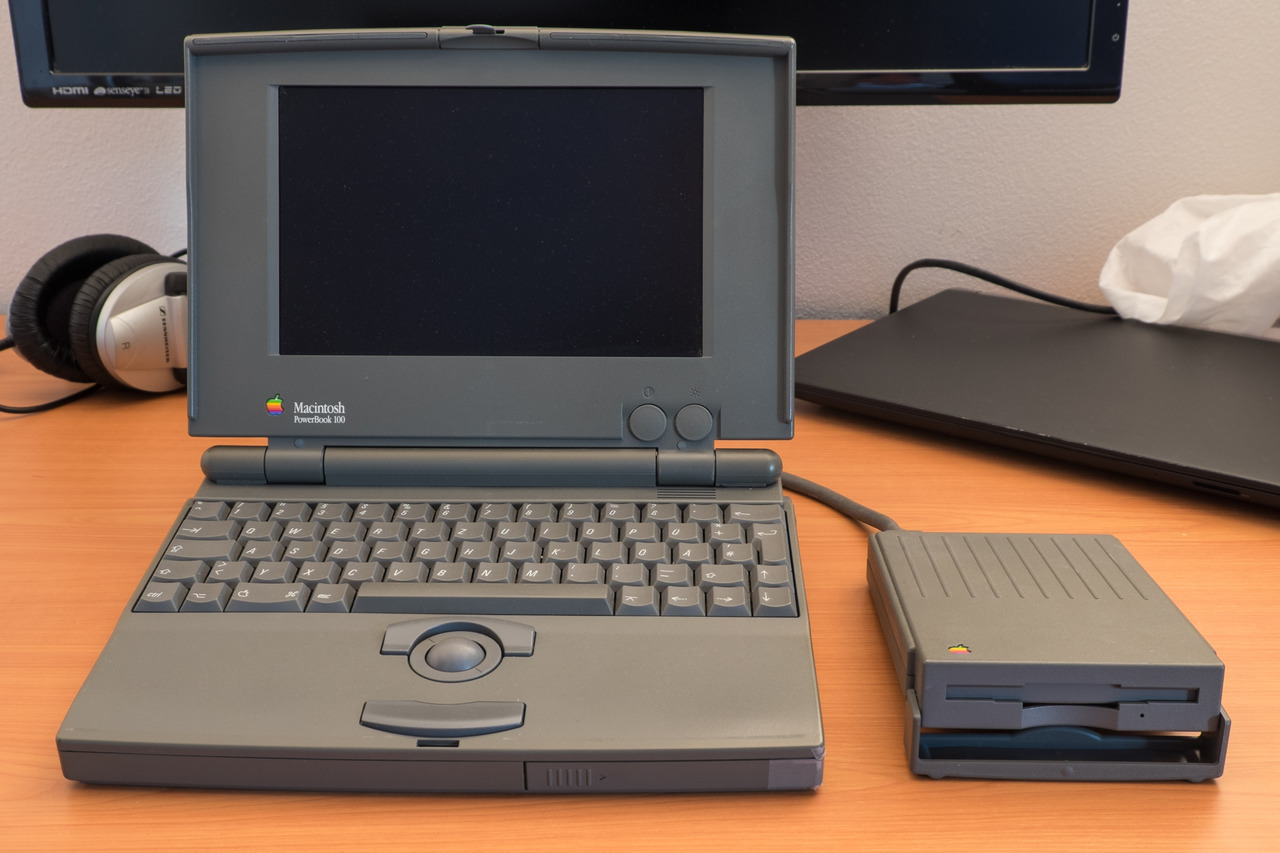
Apple PowerBook 100

  • by

This is the smallest model from the first generation of PowerBooks. It was very thin and light for its time but didn’t have an internal floppy drive, which resulted in poor initial sales (before discounts). The logic board is based on a low-power version of 16-MHz Motorola 68000 coupled with up to 8 MB of RAM and 20 or 30-MB SCSI hard drives.
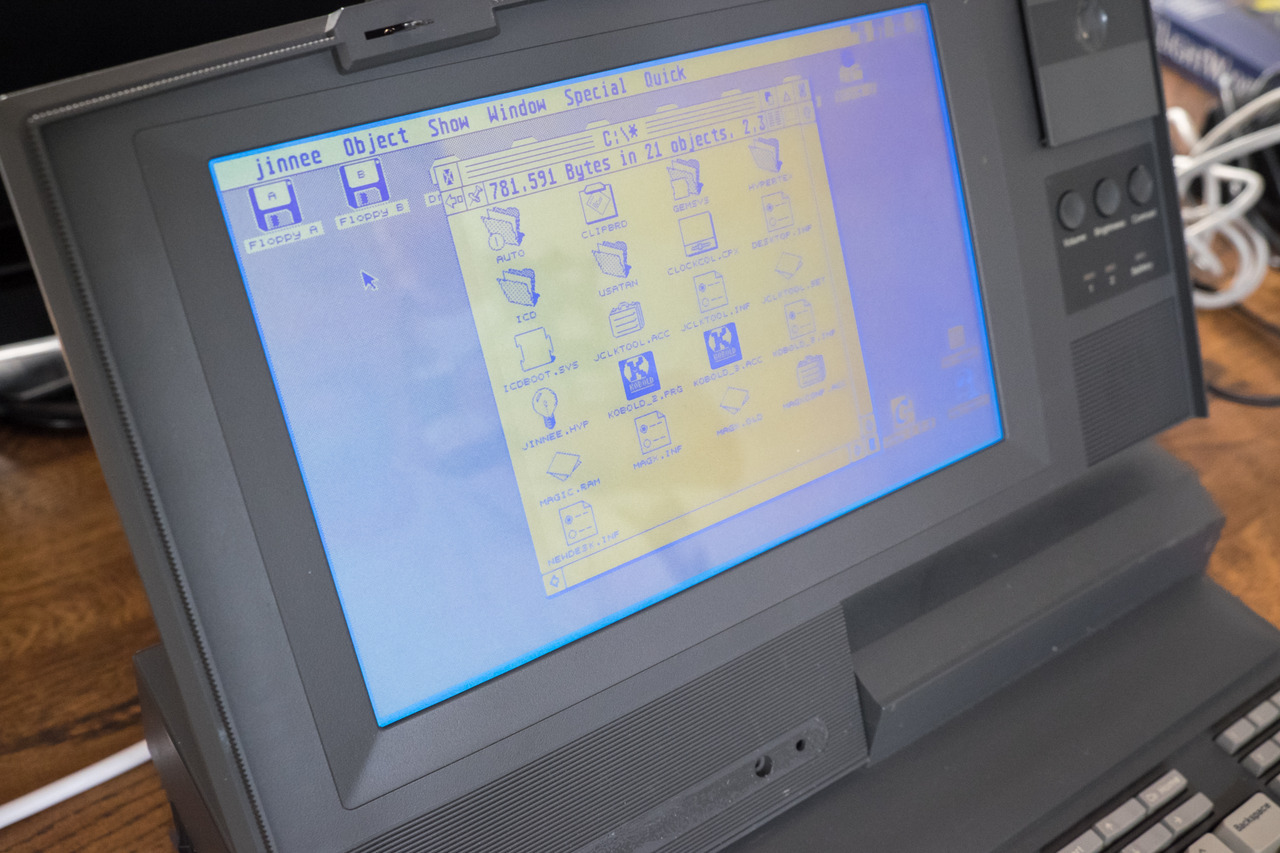
I have three non-working units and all of them need (at least) to replace bad capacitors. Their owner told me that I can keep one if I fix another for him.

CGA Color Palettes

  • by

The infamous default 4-color palette with pink, cyan, black and white is probably the first thing that comes to mind when somebody starts to talk about CGA. I previously wrote a post about 16-color modes available for composite monitors but it’s good to add also something about the palettes for RGBI TTL monitors. These started to be used heavily when people stopped using TVs with their IBM PC compatibles.

The CGA palettes were designed for good viewing on NTSC TVs. That’s the reason behind the strange color combinations. The default one can, however, be modified using a video chip register – it replaces pink with red but also disables color burst on the composite output. Such trick was used in many games, but it did nothing on newer cards (EGA/VGA).
CGA also supports changing the color 0 (usually black) to any other color. Several games used this with the default palette to get blue, cyan, pink and white which allowed for better color transitions. Anyway, the easiest way to get more visually appealing games was to use the second palette – red, green, yellow and black.

CS:GO and Kids at School

  • by

Today? Teaching kids how to make new maps in Counter-Strike: Global Offensive.. It took me six hours to learn the Hammer editor and another six hours to make the map shown on the pictures.